
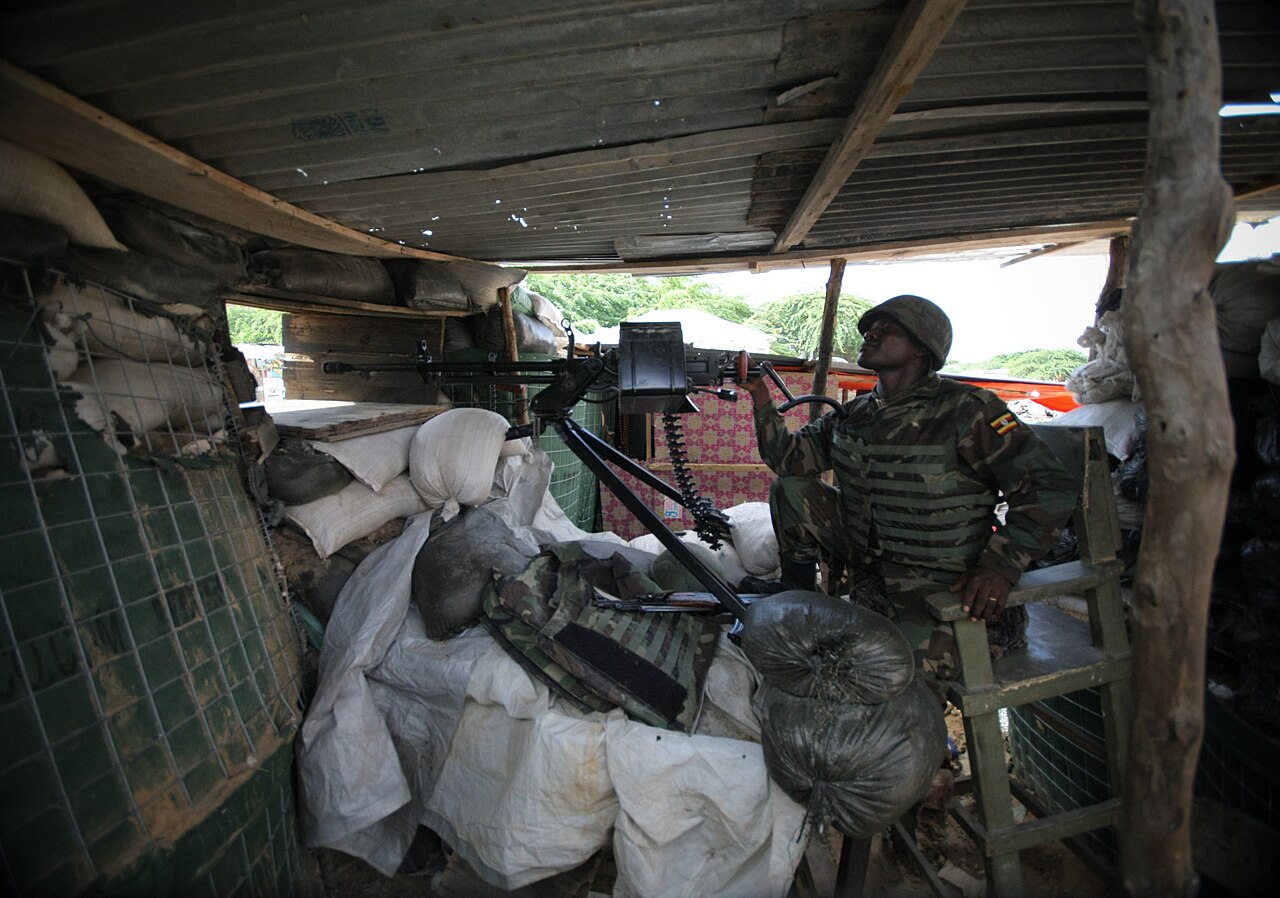
Uganda has started bringing its soldiers home from Somalia, beginning the end of a military presence that has lasted almost two decades and shaped the fight against al-Shabaab in the Horn of Africa.
In a statement on Monday, Col. Chris Magezi, the acting director of defence public information for the Uganda People’s Defence Forces (UPDF), said the drawdown of troops deployed under bilateral arrangements with Somalia’s federal government had taken effect immediately. “The first cohort of troops under the phased withdrawal operation have already arrived back in Uganda,” he said, adding that the rest of the bilaterally deployed forces would leave within the next few days.
Full exit by the end of 2027
Magezi said the army would gradually withdraw all of its forces from Somalia, including those serving with the African Union Support and Stabilisation Mission in Somalia (AUSSOM), by the close of 2027. He described the move as the end of Uganda’s “enduring 20-year peace and stabilization support operations,” allowing the Somali armed forces to take full responsibility for the country’s security.
According to Reuters, Ugandan state media puts the number of Ugandan troops serving under AUSSOM at about 4,500, though it is not clear how many more were deployed under the separate bilateral arrangement. The BBC reported that a first contingent of 109 soldiers left Mogadishu late last week, after army chief Gen. Muhoozi Kainerugaba announced on X that Uganda was “handing over security to our Somali brothers” after “20 years of a lot of blood and sacrifice.”
The announcement followed a meeting in Kampala last week between Somali President Hassan Sheikh Mohamud and Ugandan President Yoweri Museveni. Some reports said Mogadishu had asked for Ugandan forces to stay longer.
Concerns over Lower Shabelle
Not everyone is confident the handover will go smoothly. Reuters reported that an AUSSOM letter dated 31 October to the UN Support Office in Somalia, verified by two diplomatic sources, warned that the withdrawal could leave parts of the Lower Shabelle region exposed to al-Shabaab attacks. Ali Omar, Somalia’s state minister for foreign affairs, told the agency: “Things are not dire now, but it could create problems if their troops suddenly pull out.”
Uganda was the first country to send troops to Somalia under the African Union Mission in Somalia (AMISOM) in 2007, and its soldiers helped government forces drive al-Shabaab out of Mogadishu and other key towns. The AU mission has gone through several changes since then, and its current form faces continuing questions over funding and over how quickly Somalia’s own forces can fill the gap.
For Ethiopia, which also has troops in Somalia, the Ugandan pullout adds another variable to a regional security picture that is already shifting, as the AU mission’s future and the balance of foreign forces in the country remain under negotiation.