
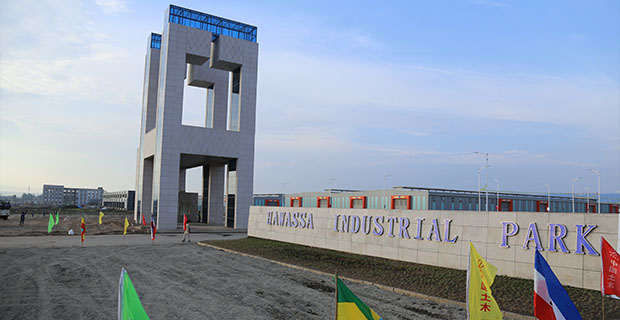
Japanese solar manufacturer TOYO has stopped shipping solar cells made at its factory in Hawassa to the United States, saying an unresolved US trade investigation has left it unable to tell whether those cells will be hit with tariffs.
The company disclosed the pause on its third-quarter earnings call on Monday. Rhone Resch, TOYO’s chief strategy officer, told analysts that shipments previously held for examination by US Customs and Border Protection had all been released, so customs detentions were no longer the problem. The obstacle, he said, is a separate inquiry by the US Department of Commerce. “We aren’t bringing in cells because of that uncertainty,” he said, according to the call transcript and reporting by Addis Standard.
What the investigation is about
The Commerce Department opened a countrywide circumvention inquiry on 17 July into whether solar cells and modules completed in Ethiopia using Chinese parts or components are being used to get around US duties on Chinese solar products. According to Abay Times, the case was brought at the request of eight US manufacturers, including First Solar and Qcells, and named TOYO and another Ethiopia-based producer, Origin Solar.
TOYO is a mandatory respondent and says it has submitted its initial questionnaire response. The company denies evading duties. Resch said TOYO does not use Chinese-origin wafers in its Ethiopian cells, a factor that weighed heavily in earlier solar circumvention cases. Addis Standard reported that the company says its wafers are processed in Southeast Asia and Indonesia, with polysilicon sourced from the United States and Malaysia.
A preliminary decision is expected around mid-December, with a final ruling due next spring, though Resch cautioned that such deadlines are sometimes pushed back. If Commerce does find circumvention, duties could apply back to the date the inquiry began, which helps explain why the company is reluctant to keep shipping while the case is open.
Protecting US customers
In its quarterly filing with the US Securities and Exchange Commission, TOYO said the release of the detained shipments “does not resolve” the Commerce inquiry, and that it is cooperating fully. To keep supplying its US module business, the company said it has secured enough solar cells from outside Ethiopia to cover committed deliveries through 2027. It added that a favourable outcome could allow it to resume imports from Ethiopia and restore margins in its cell business.
Why it matters for Ethiopia
TOYO’s Hawassa plant is one of the most visible foreign manufacturing investments in Ethiopia’s push to grow exports and earn hard currency, and the US has been a key market for its output. A long pause, or new duties, would test how much of that production can be redirected to other buyers. The case is also being watched as a signal of how Washington will treat factories that Asian manufacturers have set up in third countries, including in Africa, as US trade policy on solar tightens.
For now, the Hawassa factory’s US future hangs on what Commerce decides in the coming weeks.
Sources
- Addis Standard via allAfrica: Toyo Suspends Imports of Ethiopian-Made Solar Cells to U.S. Amid Ongoing Trade Probe
- Abay Times: Toyo halts US imports of Ethiopian-made solar cells
- TOYO Q3 2026 earnings call transcript
- TOYO filing with the US SEC