
A four-day, EU-backed search-and-rescue workshop at the Ethiopian Navy’s headquarters drew officers from Djibouti, Yemen, Oman, Somaliland and Puntland. Somalia’s federal government was not on the list, and the navy chief used the occasion to say Ethiopia’s return to the sea is “inevitable”.
By HahuPrime News Desk | 31 October 2026
ADDIS ABABA — On Thursday, in a city more than 2,300 metres above sea level and hundreds of kilometres from the nearest coast, Ethiopia’s top naval officer handed out certificates and gifts to visiting sailors.
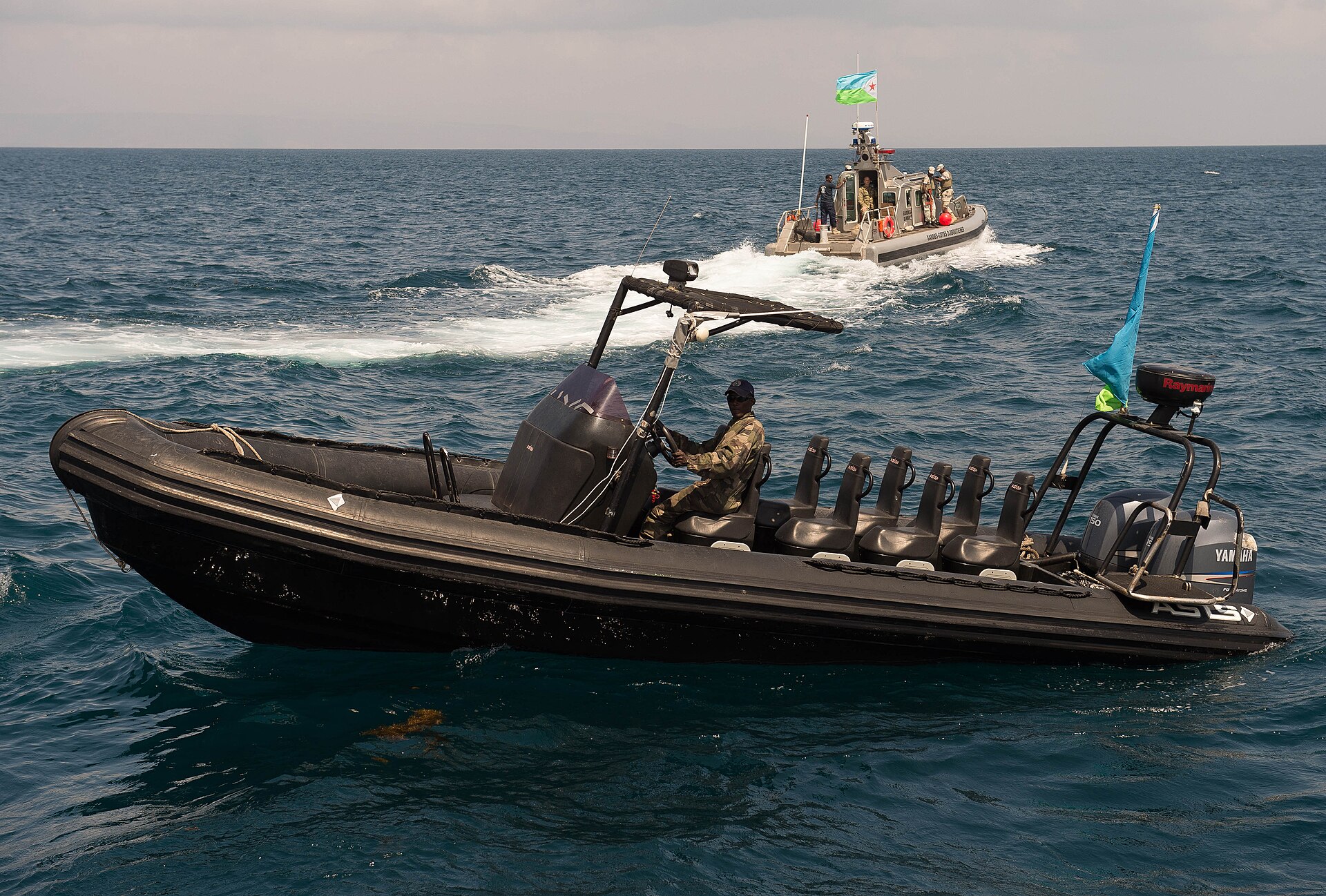
Vice Admiral Kindu Gezu, commander of the Ethiopian Navy, was closing what his officers called the first regional maritime search-and-rescue forum ever held in the country. For four days, from 26 to 29 October, naval commanders and maritime officials from Yemen, Oman, Djibouti, Somaliland and Puntland sat at the navy’s headquarters in Addis Ababa and worked through scenarios for ships in distress, threats at sea and how to share information across borders.
A day later, the admiral made clear the event was about more than lifeboats. “Since Ethiopia’s return to a sea port is inevitable, working closely and through dialogue with regional countries is essential,” he said on Friday, according to a statement from the Ethiopian National Defense Force (ENDF) reported by Addis Standard.
It was a short sentence with a long history behind it. And the guest list said almost as much as the speech.
A technical workshop with political edges
On paper, the gathering was modest. Officially titled the Regional Search and Rescue Workshop, it ran under the European Union’s Crisis Response Project for the Red Sea and Western Indian Ocean. Event materials carried the logos of the Djibouti Code of Conduct, the EU’s CRIMARIO maritime programme and Expertise France, according to The Abay Times and FTL Somalia.
At the opening session on Monday, Kindu described the waters linking the Gulf of Aden, the Red Sea and the western Indian Ocean as “one of the busiest and most strategically important corridors in the world”. Their security problems, he said, require “seamless transboundary communication, command structures and joint operations”.
Commodore Jemal Tufisa, the navy’s deputy commander for operations, said the sessions had laid practical groundwork: cross-border information sharing, mapping areas of concern and planning joint exercises. “We trust that upon returning to your respective countries, you will translate the lessons gained from the workshop into action,” he told participants.
Two outside experts praised the initiative, according to the state broadcaster Fana and Addis Standard: a search-and-rescue project specialist identified as Rear Admiral Kenneth Nyagah, and the manager of the Djibouti Code of Conduct, a regional framework against piracy and maritime crime. Both said they would keep working with the Ethiopian Navy.
Kindu also pointed beyond the Horn. He warned that insecurity around the Strait of Hormuz could spill into the wider region, and argued that no country, however strong, can secure the sea on its own.
Somaliland and Puntland in, Mogadishu absent
The ENDF’s statements listed participants from five places. Two of them are not recognised states. Somaliland declared independence from Somalia in 1991 but has not won broad international recognition. Puntland is a federal member state of Somalia that has been at odds with the government in Mogadishu.
Somalia’s federal government was not named among the participants. Somali outlets, including Somali Dispatch and FTL Somalia, noted the absence, which matters because Mogadishu insists that foreign relations and international agreements involving Somali territory belong to the federal government alone.
What the absence means is not yet clear. The ENDF statement does not say whether Somalia was invited, declined or was left out, and neither Addis Ababa nor Mogadishu had commented publicly on the question by Saturday morning. HahuPrime could not establish the reason independently.
The timing is sensitive either way. Earlier this month, on 4 October, the leaders of Egypt, Eritrea, Somalia and Sudan met in New Alamein, Egypt, and signed a joint declaration that rejected “any recognition of or support for the so-called ‘Somaliland'” and declared that governance of the Red Sea is “the exclusive responsibility of the littoral states”. The text did not name Ethiopia, but it was widely read as a rebuke of its maritime ambitions. Egyptian President Abdel Fattah el-Sisi returned to that theme at the Russia-Africa summit in Moscow this week, warning against Red Sea “militarisation” by non-coastal states.
Why a landlocked navy keeps talking about the sea
Ethiopia lost its coastline when Eritrea became independent in 1993 and disbanded its old navy soon after. It began rebuilding a naval force in recent years, but that force still has no home port. Djibouti handles more than 90 percent of Ethiopia’s foreign trade, a dependence Prime Minister Abiy Ahmed has repeatedly described as unsustainable for a country of more than 120 million people.
Abiy told the Tana Forum in Bahir Dar this month that sea access is “existential” for Ethiopia, while insisting he wants to get it peacefully. Critics in Asmara, Cairo and Mogadishu hear something else, especially as relations with Eritrea have collapsed and Ethiopia has taken delivery of Russian Su-35 fighter jets. Eritrea’s information minister, Yemane Gebremeskel, said the jets would serve a “pre-emptive war of aggression”, while Abiy has presented the deliveries as a way to “preemptively deter aggression”.
Somaliland sits at the centre of this story. In January 2024, Ethiopia signed a memorandum of understanding with Hargeisa that would have leased it a stretch of coastline, reportedly in return for moving toward recognition. Somalia called it an attack on its sovereignty, and the dispute pulled Egypt and Eritrea closer to Mogadishu. Turkey brokered the Ankara Declaration in December 2024, in which Ethiopia and Somalia reaffirmed each other’s sovereignty and agreed to explore commercial sea access under Somali authority. Those technical talks have not produced a port deal.
Seen from Addis Ababa, the workshop shows a young navy building working ties with the people who actually patrol the Gulf of Aden, with European money and a regional anti-piracy framework behind it. Seen from Mogadishu, it may look like another forum where Ethiopia deals with Somali regions directly. Both readings can be true at once.
What comes next is less a question of ceremonies than of follow-through: whether the information-sharing channels promised this week are actually set up, whether Somalia’s federal government joins later rounds, and whether talk of an “inevitable” return to the sea stays in the language of dialogue that Kindu himself used.
Sources
- Addis Standard, via allAfrica: “‘Ethiopia’s Return to a Sea Port Is Inevitable’: Navy Commander Calls for Regional Maritime Cooperation”, 30 October 2026
- Fana Media Corporation: “Ethiopian Navy, Regional Maritime Forces Strengthen Cooperation on Maritime Security and Rescue Operations”, 29 October 2026
- The Abay Times: “Ethiopian Navy hosts regional maritime security workshop in Addis Ababa”, 27 October 2026
- Somali Dispatch: “Ethiopia Hosts Regional Maritime Security Forum Without Somalia’s Federal Government Present”, 27 October 2026
- FTL Somalia: “Ethiopia Hosts Red Sea Naval Forum That Excludes Mogadishu but Includes Somaliland and Puntland”, 30 October 2026
- Egyptian Presidency: El Alamein Joint Declaration, 4 October 2026
- Critical Threats: Ethiopia War Security Review, 30 October 2026