
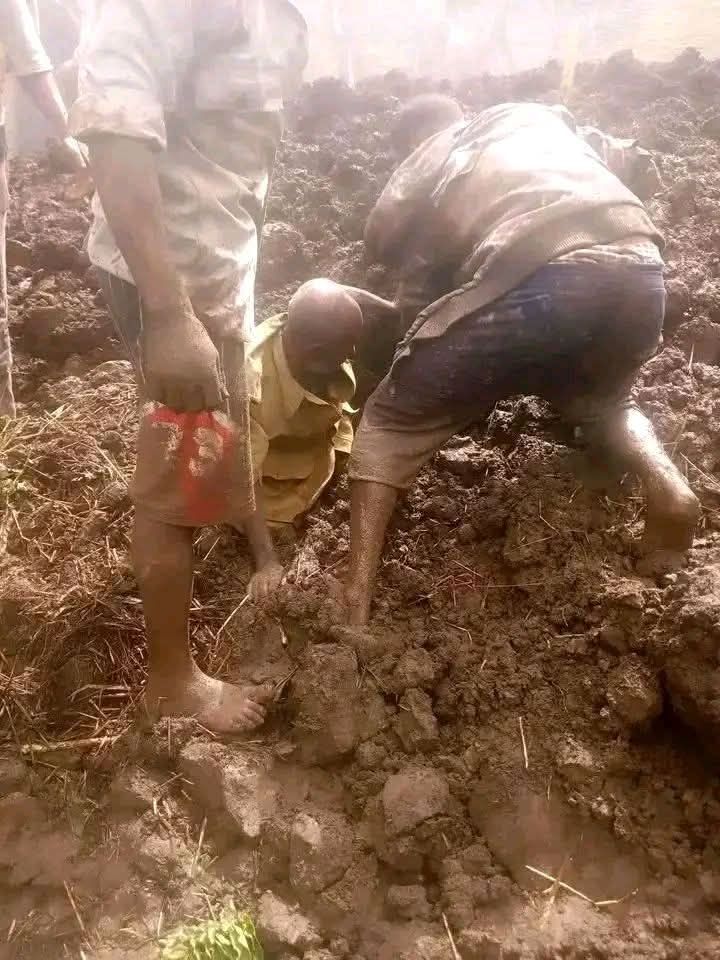
A tragic secondary landslide has dramatically increased the death toll in Gamo Zone, South Ethiopia Regional State, following heavy, unseasonal rainfall that triggered initial landslides and flash floods across highland areas. The incident occurred in Mazo Doysa Kebele (also referred to as Doysa or ዶይሳ ቀበሌ), Gacho Baba Woreda (ጋጮ ባባ ወረዳ), on Megabit 1, 2018 E.C. (corresponding to March 10 or 11, 2026 G.C., depending on exact timing in reports). Torrential rains saturated the soil, causing an initial landslide that buried four members of one family. As the local community gathered at the site to rescue survivors and recover bodies, a second, larger landslide struck the crowded area, burying many of those who had come to help.
According to local eyewitness accounts and initial reports circulating in Amharic media and social channels, the confirmed death toll has now reached at least 50, with some sources indicating up to 96 people missing or feared dead under the debris. Rescue and recovery efforts are ongoing, but the unstable terrain continues to pose serious risks of further slides. Residents have expressed fears that additional landslides could occur during ongoing retrieval operations, potentially raising the casualty figures even higher. This chain of events mirrors tragic patterns seen in previous Ethiopian landslides, where initial disasters draw crowds of helpers who are then caught in secondary collapses—similar to the devastating 2024 Gofa Zone incident that claimed hundreds of lives.
While official figures from authorities (such as the Gamo Zone administration) have reported at least 30 deaths across affected woredas from the broader rainfall event—including fatalities in nearby areas like Bonke Woreda and flash floods in Kamba Zuria—the specific secondary landslide in Mazo Doysa appears to account for the sharp rise in casualties reported in community updates. The heavy rains fell continuously from the night of March 9 through the early morning of March 11, 2026, impacting multiple kebeles in at least three woredas. Victims include entire families, and the disaster has left communities in shock amid ongoing search efforts.
Ethiopia’s southern highlands are particularly vulnerable to such events during periods of intense rainfall, exacerbated by deforestation, steep terrain, and climate variability. Local officials and residents continue recovery operations under challenging conditions, with calls for urgent support to prevent further loss of life. Our thoughts are with the affected families and communities during this heartbreaking time. Updates may evolve as rescue teams progress and more official confirmations emerge.