
Dodai, an electric motorbike and battery-swapping start-up based in Addis Ababa, has closed its Series A funding round at $16 million after Japanese energy company Tokyo Gas and a Singapore family office put in another $3 million.
Tokyo Gas said this week it had invested in Dodai through Acario Investment One, a wholly owned venture subsidiary. According to Launch Base Africa and Capital, Singapore-based Kaneto Capital Management joined the extension as a new backer. The extension builds on a $13 million Series A announced earlier this year, made up of $8 million in equity and $5 million in debt, with British International Investment and a group of Japanese investors taking part.
Swap, don’t wait
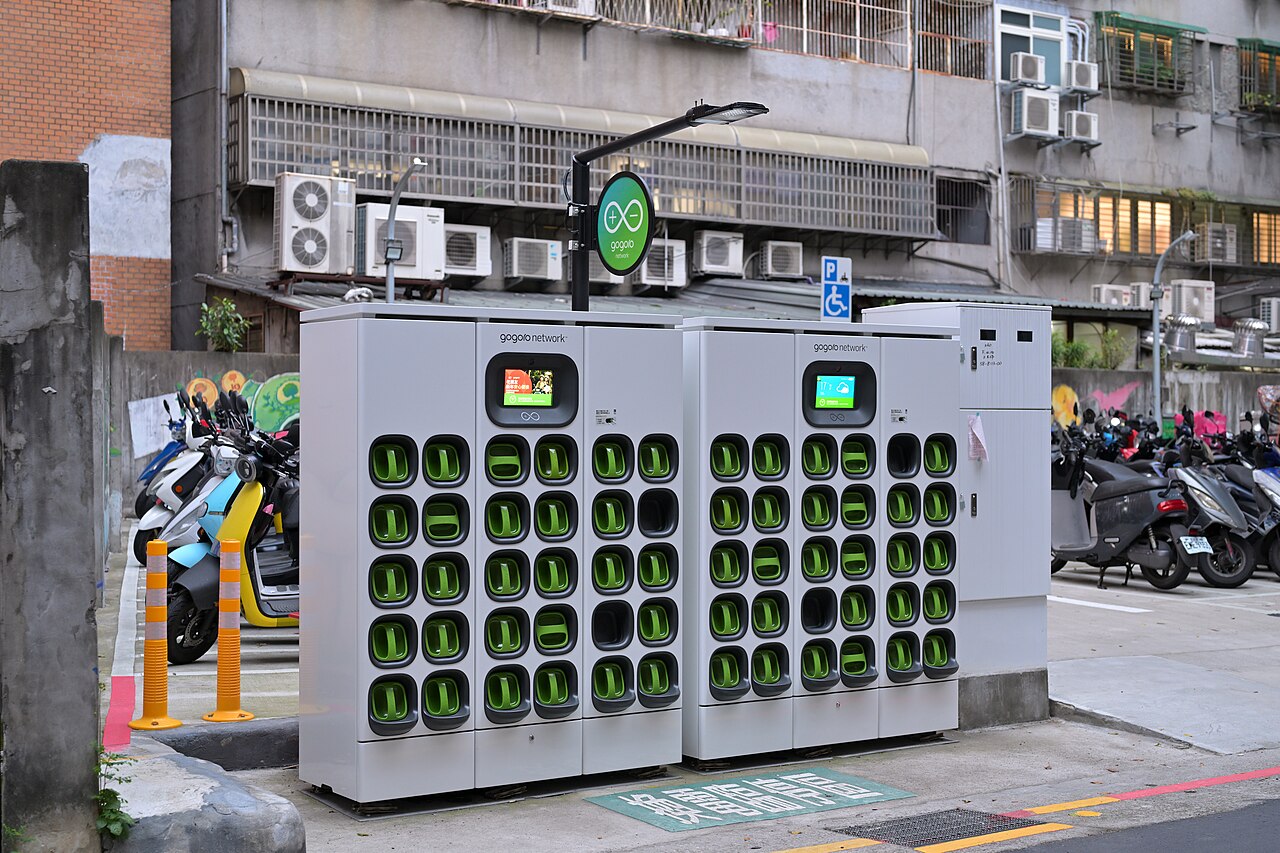
Dodai was founded in 2021 by Japanese entrepreneur Yuma Sasaki. It assembles electric motorbikes in Addis Ababa and sells them mainly to delivery and logistics riders, for whom every hour off the road is lost income. Rather than plugging in for hours, riders pull into a Dodai station and swap a flat battery for a charged one in a few minutes, usually once a day.
Tokyo Gas put Dodai’s fleet at about 2,500 motorbikes and its network at about 10 swapping stations. Launch Base Africa reported that the company has more than 150 staff, 98 per cent of them Ethiopian.
The company’s targets are ambitious. According to Launch Base Africa, Dodai wants to reach 3,000 battery-swapping users and 30 stations in Addis Ababa within the next 12 months, and 30,000 users and 1,000 stations within three years, before moving into other African cities.
Why a gas company is interested
In its statement, Tokyo Gas said it shared Dodai’s vision of tackling social challenges by bringing energy and mobility together, and praised the team’s record of actually building the business on the ground. It said Dodai uses an internet-connected battery management system to track usage and charge levels, and that the two companies would explore future collaboration on batteries and power management.
The Japanese utility also pointed to Ethiopia’s conditions: growing demand for transport and logistics, high fuel costs, and a power grid that runs largely on renewable energy, mostly hydropower. That makes cheap electric transport attractive for riders and for a government that spends heavily on imported fuel.
Part of a wider EV push
Ethiopia has become one of Africa’s most aggressive adopters of electric vehicles in policy terms, restricting imports of petrol and diesel cars and cutting duties on EVs, with locally assembled kits treated more favourably than fully built imports. Two-wheelers and delivery fleets are a natural fit for that shift, since they cover short urban routes every day.
Dodai’s challenge now is scale. Going from about 10 stations to 1,000 in three years would require heavy investment, reliable power and steady demand in a city where many riders still depend on cheap petrol bikes.
Sources
- Tokyo Gas: Investment in Dodai, an electric mobility company in Ethiopia (Japanese)
- Launch Base Africa: Dodai adds $3mn to Series A
- Capital: Tokyo Gas joins Dodai’s $16M Series A