
Kenyan banks and payment firms have started adding 16% VAT to the fees businesses pay to take card, till and gateway payments. Ordinary M-Pesa transfers are spared, but tax advisers expect part of the cost to reach shoppers.
By HahuPrime News Desk | November 2, 2026
NAIROBI — The warning arrived by text message. “Dear Customer, we wish to inform you that effective 1st November 2026, a 16 percent VAT will be charged on all digital payment transaction fees, as required under the Finance Act 2026,” read the notice one of Kenya’s leading commercial banks sent to its customers, according to Business Daily, which did not name the bank.
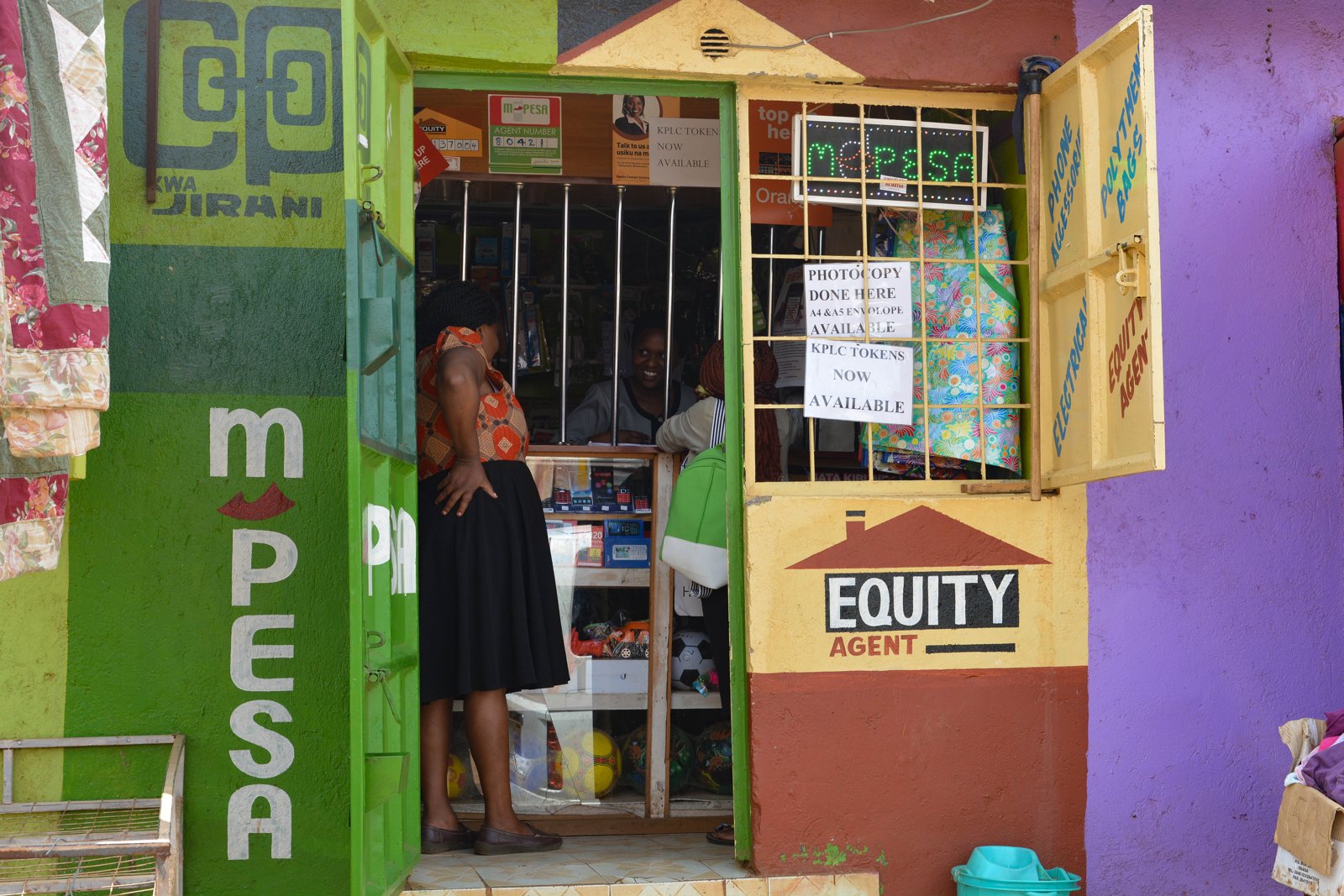
From this weekend, that line became a cost. Banks and payment companies have set up their systems to add value added tax to the fees they charge for processing electronic payments, settling card transactions and running payment gateways, the paper found in a spot check. The tax lands on the tools a Nairobi shop, pharmacy or online seller uses to get paid: card machines, merchant tills and commercial Paybills.
What it does not touch is just as important. Sending money from one person to another on M-Pesa or Airtel Money stays exempt.
What the law actually taxes
The change sits in section 32 of the Finance Act 2026, which President William Ruto signed on June 23. It narrows Kenya’s VAT exemption for financial services so that it no longer covers “payment processing, settlement, merchant acquiring, gateway, aggregation services supplied over a software or platform for a fee or commission by a payment service provider”.
Legally, the provision has been in force since July 1, according to the Act’s commencement clause and the Kenya Revenue Authority (KRA). The bank notices put the start of actual charging at November 1. The KRA says fees for these services “are not exempt from VAT”, and the accounting firm EY says they are taxed at the standard rate of 16%.
The tax falls on the fee, not on the purchase. If a merchant pays a provider 1% to process a KSh10,000 sale, the fee is KSh100 and the new VAT on it is KSh16. For a business running thousands of payments a month on thin margins, it adds up.
A court fight the taxman kept losing
The new rule ends a long legal battle. In August 2025 the High Court sided with Pesapal, a licensed payment gateway, in a dispute over a KSh110.8 million tax demand, Business Daily reported. The court found that what mattered was what the company actually did, not the technology it used, and that its commissions counted as exempt financial services. In October 2025 the Tax Appeals Tribunal also ruled against the KRA in a separate case involving Kenswitch, which runs a network linking banks, ATMs and card machines.
Instead of winning in court, the Treasury changed the law. According to Sharp Daily, the original proposal was wider and would also have caught money transfer fees. MPs on the National Assembly’s finance committee narrowed it after Safaricom, Airtel and others warned of double taxation and harm to financial inclusion. The professional services firm RSM notes that Parliament dropped the money transfer part, so mobile-money transfers, including those run by telecom companies, remain exempt.
The Consumers Federation of Kenya (Cofek) went to court to stop the Finance Bill, but Justice David Mburu struck the case out in October. “This petition, as filed, is premature,” he ruled, because it was filed in June while the bill was still before Parliament. The judge did not decide whether the tax is constitutional, and said Cofek could challenge the Act now that it is law.
In its May submission to Parliament, Cofek warned that the payment-related changes would create costs “invisibly passed to consumers” and called for a clear carve-out for USSD-based financial inclusion services.
Who ends up paying
The big advisory firms agree on the likely direction. “This brings fintechs and payment intermediaries into the VAT net, increasing costs across the payments ecosystem that are likely to be passed on to merchants and consumers,” PwC said in its review of the Act.
KPMG saw one benefit: clearer rules and fewer disputes with the KRA. “Nevertheless, the changes are also expected to increase transaction costs and could ultimately lead to higher prices for consumers,” it said.
How much reaches the till depends on each provider. Safaricom’s published terms for its M-PESA Business Till still show a merchant charge of up to 0.55% per payment, capped at KSh200, with collections of KSh200 or less free and no charge to customers except at fuel stations. The page does not say whether VAT is now added to that fee, and Safaricom has not issued a public statement on it. HahuPrime could not independently confirm how each bank, gateway or mobile-money business account is applying the tax.
The timing sits awkwardly with Kenya’s own goals. The Central Bank of Kenya’s National Financial Inclusion Strategy 2025–2028 aims to cut the average cost of sending money between individuals from KSh23 in 2024 to KSh10 by 2028. That target covers person-to-person transfers, which the VAT leaves alone. But merchant payments are where cash is still losing ground to phones and cards, and that is exactly where the new cost falls.
Why the region is watching
Kenya built the template for mobile money in East Africa, and its tax choices tend to travel. Digital payments leave a clean record that cash never did, which makes them tempting to tax.
In Ethiopia, the scale is already large. Ethio Telecom’s telebirr reached 60.6 million customers and handled 2.61 billion transactions worth 4.19 trillion birr in the 2025/26 budget year, The Reporter reported, while Safaricom Ethiopia’s M-Pesa is growing from a much smaller base. How Kenya’s merchants and payment firms absorb the new tax will be a test case for any government in the Horn tempted to follow.
For now the line Kenya has drawn is clear. Sending money to family stays untaxed. Getting paid as a business now carries a 16% tax on the fee. Whether Cofek or anyone else returns to court with a challenge to the Act itself is the next thing to watch.
Digital money has been at the centre of several recent HahuPrime stories, from OPay’s withdrawn New York IPO to Ethiopia’s Fayda digital ID fees at banks and Zimbabwe’s row over expensive mobile data.
Sources
- Business Daily: Banks start enforcing 16pc VAT on digital payment charges
- TechTrendsKE: Kenya’s new digital payment tax puts banks, fintechs and merchants under pressure to manage costs
- Kenya Revenue Authority: Finance Act 2026 – What It Means For You
- Kenya Revenue Authority: The Finance Act, 2026 (No. 19 of 2026)
- EY Global Tax News: Kenya enacts Finance Act, 2026
- RSM Eastern Africa: Overview of the Kenya Finance Act 2026
- Sharp Daily: Kenya’s new 16% VAT on payment processing fees takes effect
- FICA News: Banks in Kenya begin charging 16% VAT on digital payment fees
- Consumers Federation of Kenya: Finance Bill 2026 – COFEK submissions to the National Assembly
- Safaricom: M-PESA Business Till
- The Reporter: Data Overtakes Voice as Top Earner for Ethio Telecom