
In about 20 minutes on Thursday evening, wallets belonging to Binance on the XRP Ledger, Bitcoin, Tron and Ethereum emptied into addresses controlled by an attacker. The world’s largest crypto exchange now puts the damage at around $6.3 billion, which would make it the biggest crypto theft on record.
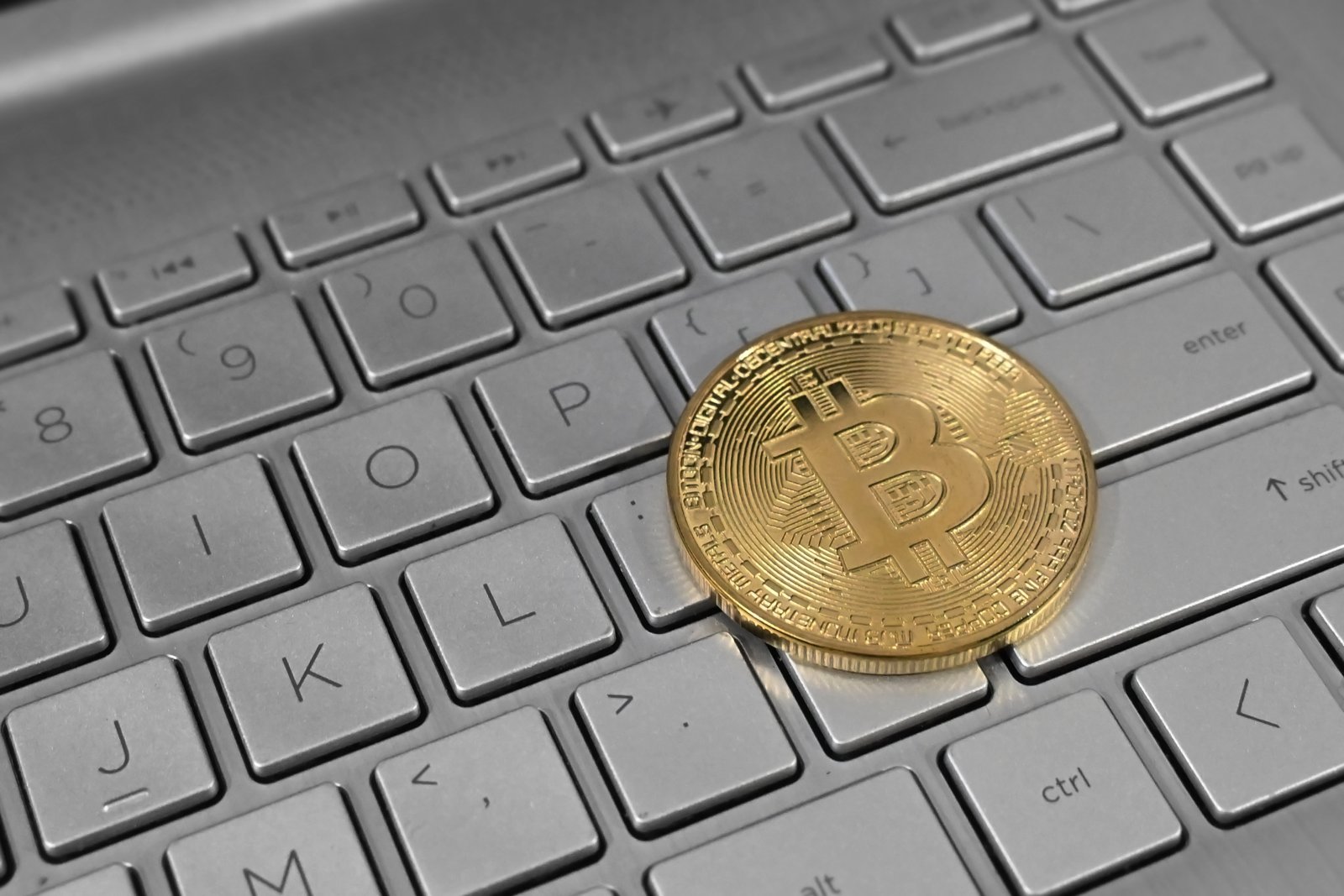
By HahuPrime News Desk | October 30, 2026
The first sign of trouble came at 20:05 UTC on October 29. According to blockchain intelligence firm TRM Labs, five Binance wallets on the XRP Ledger sent about 233 million XRP, worth roughly $296 million, to a single address over four minutes. Within a quarter of an hour, a Binance Bitcoin wallet had moved 18,270 BTC, valued at about $1.47 billion, and a Tron wallet had sent out more than 612 million USDT.
Hours later, in a statement published on its support site at 22:23 on October 29, Binance confirmed what on-chain watchers had been flagging all evening. “The estimated total impact sits at around $6.3B,” the exchange said, adding that about $3 billion had been frozen on-chain with the help of blockchain partners.
What Binance says happened
Binance said its initial investigation “suggests that the security incident may involve a compromised DevOps engineer’s laptop, which allowed an attacker to gain access to a service container and submit unauthorized withdrawal transactions.” It said it had “found no evidence of any wallet private key leak” and promised a detailed technical post-mortem once the facts are verified.
The company said it had temporarily suspended deposits and withdrawals, revoked the affected address authorisation and brought in law enforcement and blockchain intelligence partners. “Binance will cover all losses from the SAFU fund and the company’s funds. User funds are safe,” the statement said. SAFU, the Secure Asset Fund for Users, is the emergency reserve Binance set up in 2018 to cover losses of this kind.
Binance co-chief executive Yi He thanked token issuers for freezing assets. “Safety first: withdrawals are currently disabled until the environment is confirmed to be secure,” she wrote, as quoted by the BBC. Binance founder Changpeng Zhao said earlier that the incident “does look like a hack on Binance,” the Associated Press reported.
The incident concerns Binance.com. Binance.US, the separate platform for American residents, told the BBC it was not affected. Coinbase also said it was unaffected and was monitoring the situation.
How the attack worked
Investigators have pieced together part of the method from public blockchain data. Security firm Blockaid and the crypto outlet CryptoTicker found that the attacker sent a single Ethereum transaction containing 50 pre-signed “EIP-7702” authorisations for one Binance hot wallet. EIP-7702, introduced with Ethereum’s Pectra upgrade, lets an ordinary wallet hand its execution to a smart contract.
Because the attacker did not know the wallet’s exact transaction count, they covered 50 consecutive numbers. Only one needed to match. Once it did, the wallet was effectively pointed at the attacker’s contract, which then swept out 167,464 ETH and 63 other tokens, including about 1.6 billion USDT, in a single transaction, according to TRM Labs. Further sweeps followed into the early hours of October 30, and a second wave reached Binance wallets on Avalanche and Polygon.
TRM said the attacker had prepared for at least 36 hours, starting on October 28 with small deposits from the Tornado Cash mixing service and rehearsing the contract on test wallets. How the attacker obtained valid signatures for Binance’s wallet is still not known. Ethlabs researcher Derek Chiang said the attacker either had the wallet’s key or tricked its owner into signing a malicious authorisation. Binance’s own statement says no key leaked.
North Korea suspected
TRM Labs and Chainalysis have both attributed the theft to TraderTraitor, a North Korean state-linked hacking group. Chainalysis said it had “high confidence” in the link, and TRM said several elements resembled earlier North Korean operations, including the February 2025 theft of about $1.5 billion from the Bybit exchange, the previous record.
TRM’s global head of policy, Ari Redbord, told the BBC the Binance hack is a “watershed moment” and that, with the attacker still holding an enormous sum, recovery efforts “are far from over.” Binance did not respond directly to the North Korea attribution, saying only that it was working with law enforcement “to confirm the identity of these criminals and bring them to justice.” HahuPrime has not independently verified the attribution.
Freezes, and figures that do not yet match
Stablecoin issuers moved quickly. Tether chief executive Paolo Ardoino said his company had frozen around $1.6 billion in USDT “related to a potential Binance exchange hack.” Circle, the issuer of USDC, said it had frozen more than $800 million.
The numbers are still moving and differ slightly between sources. Binance estimates the total impact at about $6.3 billion, while TRM Labs traced around $6.36 billion across ten blockchains by 00:30 UTC on October 30. Binance says about $3 billion is frozen; Tether and Circle together account for roughly $2.4 billion of that, and CryptoTicker’s own on-chain count put the frozen total at more than $2.83 billion. These figures should be treated as early estimates until Binance publishes its post-mortem and updated proof of reserves.
Markets reacted. The BBC reported that Bitcoin fell more than 4 percent after the first alerts, with Ethereum and Solana also dropping sharply.
What users should do
- Do not panic-sell or move funds through unofficial routes. Withdrawals are paused. Binance says it will cover losses, so wait for updates on its official announcements page and verified accounts.
- Beware of “we’ll recover your money” scams. After big hacks, fraudsters pose as Binance support, “recovery agents”, lawyers or blockchain investigators and ask for a fee, your seed phrase or remote access to your phone. Binance staff will never ask for your password, 2FA code or seed phrase, and no legitimate service recovers stolen crypto for an upfront payment.
- Ignore links in DMs, Telegram groups and emails claiming to offer compensation forms or “SAFU claims”. Type binance.com yourself.
- Check your account security. Turn on an authenticator app or passkey, review active devices and API keys, and set an anti-phishing code.
- Remember the basic lesson: crypto held on any exchange depends on that exchange’s security. Keep only what you need for trading there.
Binance, founded in 2017, says it has more than 300 million registered users and reported more than $160 billion in assets under custody in 2024.
More from HahuPrime Technology: Anthropic IPO filing, Sweden blocks ChatGPT and Claude and the ChatGPT epilepsy lawsuit.
Sources: Binance, BBC, AP, TRM Labs via CryptoSlate, CryptoTicker.