
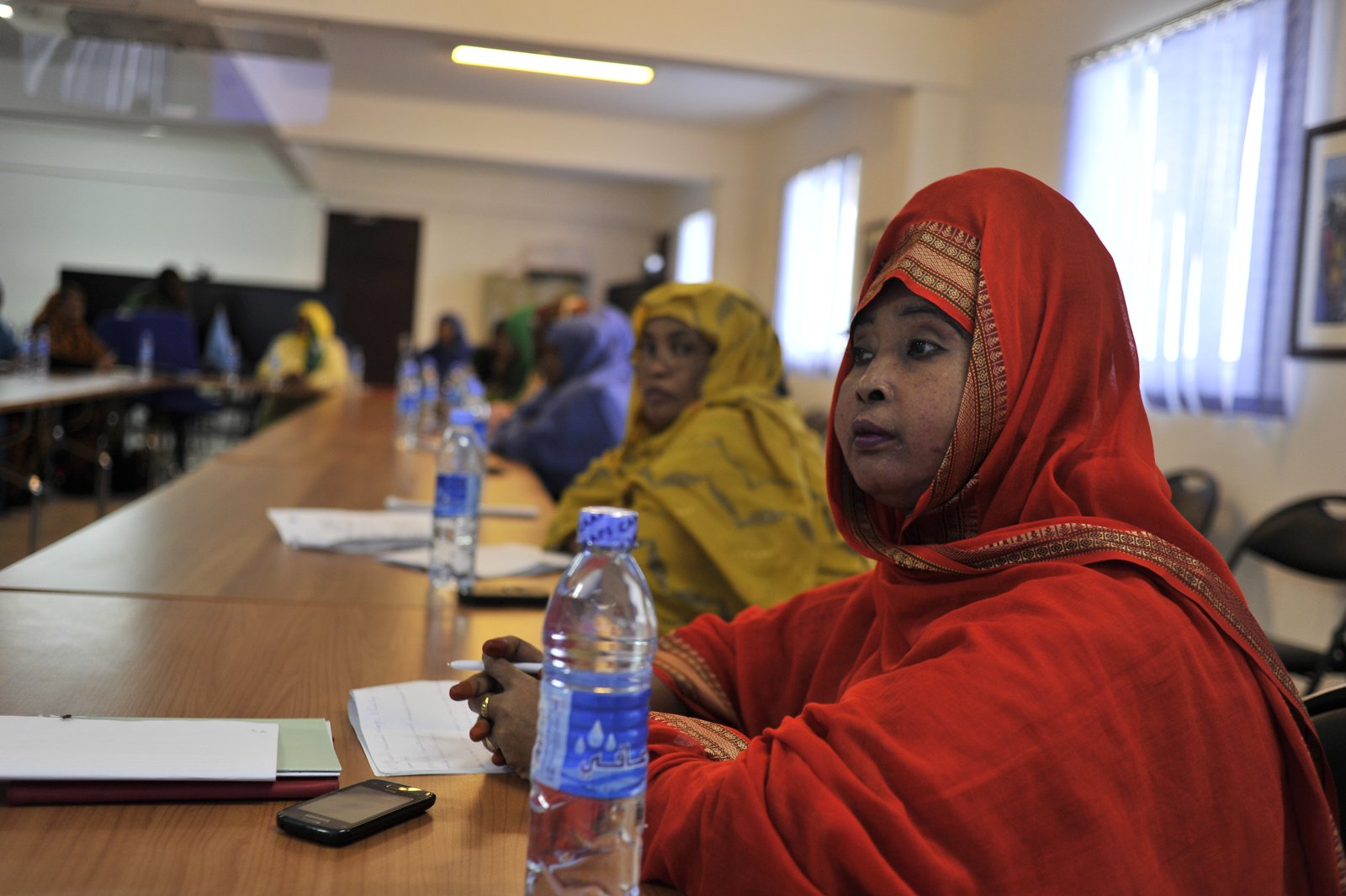
A bill to outlaw female genital mutilation has passed its first reading in Somalia’s House of the People and gone to committee. Nearly every Somali woman has been cut, the constitution already calls the practice torture, and yet no national law punishes it.
By HahuPrime News Desk | October 19, 2026
MOGADISHU — Ninety-nine out of every hundred Somali women aged 15 to 49 have undergone female genital mutilation, according to the country’s last national health survey. On Saturday, a bill to ban the practice cleared its first stage in the federal parliament.
The Somalia FGM bill completed its first reading at the 25th sitting of the House of the People’s eighth session on October 17, the state news agency SONNA reported. Speaker Abdulkadir Mohamed Nur (Jama) then told the secretary-general to send it to the relevant committees to prepare a second reading. The account was matched by Shabelle Media Network in Somali.
- The Bill on the Prohibition of Female Genital Mutilation passed its first reading on October 17 and has been referred to committee.
- Somalia’s 2020 health survey found 99 percent of women aged 15 to 49 had been cut, most of them in the severe “Pharaonic” form.
- The 2012 provisional constitution bans the circumcision of girls, but no national law sets out offences or penalties.
- The full text has not been published, and no date has been set for the next stage.
What the minister asked for
The bill was drafted by the Ministry of Family Affairs and Human Rights Development and presented by its minister, Khadija Mohamed Al-Makhzoumi. According to SONNA, she told lawmakers about the serious physical and psychological harm caused by Pharaonic FGM, the form in which a girl’s genitals are cut and sewn closed, and argued for a clear legal framework to prohibit and prevent it.
“I call for the Bill to receive due consideration through the legislative process,” she said in a statement on X, quoted by FTL Somalia. Dawan Africa reported that she urged MPs to support its passage, and that the ministry has given no timetable for the remaining stages.
One question matters more than any other, and it is still open. The minister’s remarks focused on the Pharaonic form, while the bill’s formal title refers to female genital mutilation in general. Until the text is published, it is unclear whether it would outlaw all cutting or only the most severe kind. FTL Somalia suggested in an editorial note that the focus on Pharaonic FGM may be a deliberate choice to avoid a wider fight with communities that practise milder forms.
The debate has also spilled online. Video clips shared widely on X since the weekend appear to show a heated exchange in the chamber, in which a male lawmaker argues in favour of cutting and female MPs object. HahuPrime could not independently verify the clips, their full context or the speaker’s identity, and the official accounts of the sitting do not mention the exchange.
A ban on paper, but no law
Somalia’s lawmakers are not starting from nothing. Article 15 of the 2012 Provisional Constitution already addresses the practice directly:
“Female circumcision is a cruel and degrading customary practice, and is tantamount to torture. The circumcision of girls is prohibited.”
But no national statute defines the offence or sets penalties, the European Union Agency for Asylum noted in its 2025 country review. In 2024, Galmudug became the first of Somalia’s federal member states to pass a law outlawing all forms of the practice.
The numbers explain why campaigners have pushed for years. The Somali Health and Demographic Survey 2020 found that 64 percent of women had undergone the Pharaonic form. Among women aged 15 to 19, 73 percent had been cut between the ages of five and nine. The same survey found that 72 percent of women believed the practice was a religious requirement, and about three in four thought it should continue. That is the gap a law alone will struggle to close.
There is a regional push, too. Somalia became a full member of the East African Community at the end of 2025, and in September Mogadishu hosted the last round of public hearings on a draft EAC law to eliminate FGM across all eight member states, Hiiraan Online reported. “This Bill is not about targeting communities where FGM is practised,” said Falhada Dekow Iman, a Somali member of the East African Legislative Assembly and one of its sponsors. “It is about creating a united regional response to protect girls.”
The national bill also enters a chamber that has had trouble meeting. FTL Somalia reported that only 115 members attended a recent sitting, short of the 138 needed for a quorum, though 140 turned up this month to approve the Rape and Sexual Offences Bill. Somalia’s federal politics are under strain elsewhere as well, from the standoff over South West State around Baidoa to the row over recognition of Somaliland.
Next steps for the Somalia FGM bill
Committee members will now prepare the second reading before the bill returns to the floor, and it must clear a third reading before it can become law. No date has been announced. In parallel, the East African Legislative Assembly’s General Purposes Committee is due to merge the findings from all eight countries into a report before the regional bill goes to its own second reading.
Sources
- SONNA: Somali Parliament Reviews FGM Prohibition Bill and UN Drug Convention
- SONNA: Minister of Family Affairs Presents FGM Prohibition Bill to Parliament
- Shabelle Media Network: Golaha Shacabka oo Akhrinta Koowaad Marsiiyey Hindise-sharciyeedka Mamnuucidda Gudniinka Fircooniga ah (Somali)
- Dawan Africa: Somalia Minister Presents Bill to Ban Female Genital Mutilation
- FTL Somalia: FGM Bill Presented to Parliament as Somalia Seeks Legal Framework to Protect Women and Girls
- Hiiraan Online: Somalia holds first EALA public hearing on regional anti-FGM bill
- EUAA: Somalia Country Focus 2025, FGM/C and repeated FGM/C
- Somalia National Bureau of Statistics: The Somali Health and Demographic Survey 2020
- Federal Republic of Somalia: Provisional Constitution (2012)