
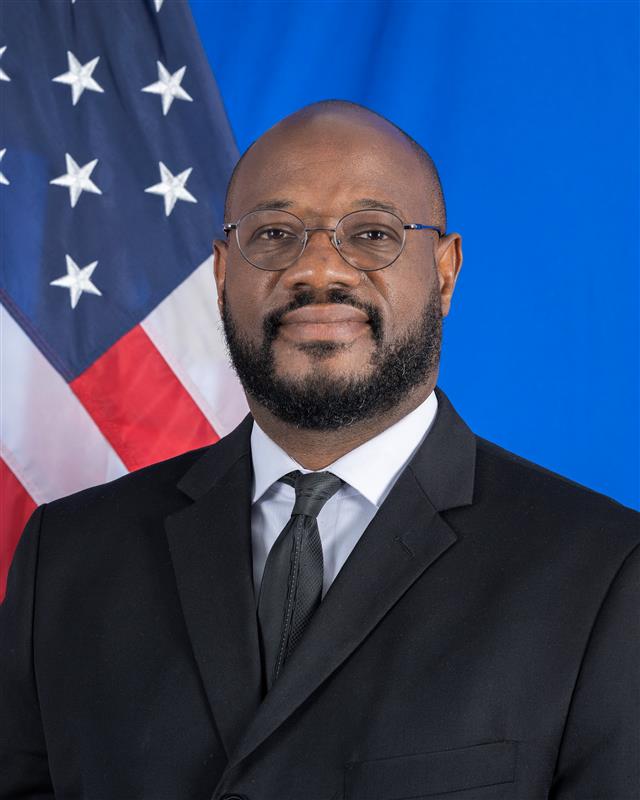
The US ambassador told The Reporter that the Pretoria agreement’s core principles still guide Washington’s policy, even as war returns to northern Ethiopia. He called for democracy in Tigray, the return of displaced people and disarmament, and warned the new rebel alliance against threatening civilian airports.
By HahuPrime News Desk | October 19, 2026
ADDIS ABABA — Ervin Massinga has visited the camps around Shire many times, and he says the sight of children born there still stays with him. “Seeing children who have been born in IDP camps indicates that those families and communities are not where they need to be,” the US ambassador to Ethiopia told The Reporter in an interview published on Monday.
The conversation with The Reporter’s Sisay Sahlu came almost four weeks after fighting broke out in the north on September 23. It is one of the clearest statements yet of where Washington stands. Massinga said the principles of the 2022 Pretoria agreement remain the basis of US policy toward Tigray, even though much of the deal has been overtaken by events on the ground.
“The principles outlined in the Pretoria Agreement are still the principles my government urgently wants to support,” he said. He listed them: democracy in Tigray, “which needs to happen and should have happened”, the return of internally displaced people, the full restoration of Ethiopian administration in Tigray, and disarmament, demobilization and reintegration (DDR).
Massinga puts the Pretoria agreement back at the centre
The Pretoria deal, signed under African Union mediation in November 2022, ended a two-year war that killed hundreds of thousands of people. Both sides agreed to silence the guns, disarm Tigrayan fighters, restore federal services and hand Tigray to an interim administration until elections could be held.
Putting that agreement into practice has been slow and contested. According to the BBC, the Tigray People’s Liberation Front (TPLF) restored its pre-war administration just before Ethiopia’s general election in May, disbanding the interim administration Prime Minister Abiy Ahmed had appointed. The vote was not held in Tigray.
On September 21, seven armed groups, including the TPLF and the Amhara militia Fano, announced an alliance to remove the federal government, Reuters reported. Two days later, the Tigray regional government said its forces had entered a “defensive war”. Tigrayan forces took control of the region’s airports, and Getachew Reda, an adviser to the prime minister, said the TPLF had “launched an all-out offensive against government positions in Afar and Amhara”, Al Jazeera reported. Tigrayan authorities said they were responding to federal bombardment.
Since then, federal forces and an allied militia have taken large parts of Tigray, including Mekelle. On October 16, Abiy named a caretaker government for the region and promised elections within six months, Reuters reported. The EastAfrican has argued that installing a new administration undercuts core Pretoria commitments. Massinga did not take up that argument. He spoke instead of “opportunities that must be seized”.
He pointed to disarmament as one early sign. “It is very heartening to see so many long lines of young people looking to sign up for DDR since the events of September 23,” he said. HahuPrime reported last week on former fighters queuing in Mekelle to return to civilian life.
Civilians, aid and the contested west
Massinga said “conflict should never be the first option”. He also said those in authority must protect civilians, “particularly when heavy weapons are used”. He said he believed the government and the armed opposition “did not intend for innocents to be hurt”. But he added that when civilians are harmed, “acknowledgement, restitution, and redoubled efforts to prevent such tragedies in the future are all required.”
The displaced were the thread running through the interview. Around 750,000 Tigrayans were still internally displaced as of February, according to UN refugee agency figures cited by Reuters. “It is more than time—it is overdue—for politicians and politics to take a back seat and allow the interests of the people to be first and foremost,” Massinga said.
He said the government was setting up committees to help displaced people go home, and that the United States was “already assessing what needs to happen to help accompany the people home.” On Western Tigray, also known as Wolkait, he did not take sides. The contested areas “need to be addressed through constitutional means, just as outlined in the Pretoria Agreement,” he said.
On aid, he defended the Trump administration’s changes. “Aid has never been meant to be permanent,” he said. He insisted Washington still has the ability to respond quickly to crises, and he welcomed a dedicated government fund for humanitarian emergencies. Most US health assistance will now go through government channels under a memorandum of understanding, he added.
A warning to the alliance
Massinga’s sharpest words were for the rebel coalition, which calls itself the Alliance for Survival. “As far as I can see, in recent weeks the alliance has only called for more conflict and more destruction,” he said. “Those who threaten civilian airports and the Ethiopians who use them are making a grave mistake.”
His remarks follow Secretary of State Marco Rubio’s warning about the military buildup on the Ethiopia-Eritrea border, which HahuPrime covered on Sunday. The alliance has since rejected Rubio’s description of it as separatist.
The ambassador said he had met TPLF leaders many times in Addis Ababa, Mekelle and Shire, but had not spoken with them since September 23. “That is their choice,” he said. He also said Washington does not need to lead any new talks. Durable peace, he said, has to come “through Ethiopians working together”, and “it is not for the international community to impose a decision.”
The TPLF has not publicly responded to the interview. The Reporter has previously reported that the TPLF set preconditions for African Union-led talks while US officials urged compromise. With the TPLF out of contact with Washington and a caretaker administration only days old, it remains unclear who will speak for Tigray in any new talks, or when.
Sources
- The Reporter Ethiopia: “Conflict Should Never Be the First Option”: US Ambassador Ervin Massinga on Peace, Regional Ties and the Path Forward
- BBC: Ethiopia and Tigray accuse each other of launching offensives, fuelling fears of new war
- Reuters: Seven Ethiopian armed groups announce anti-government alliance
- Reuters: Ethiopia’s Tigray region government announces it has entered a defensive war
- Al Jazeera: Tigray forces launch offensive against Ethiopian government
- Reuters (via CNBC Africa): Ethiopia’s Abiy names new Tigray government, wants polls in six months
- The EastAfrican: Ethiopia’s new Tigray administration signals retreat from Pretoria commitments amid fresh conflict
- The Reporter Ethiopia: US Urges Compromise in Tigray as TPLF Demands Preconditions for AU-Led Talks