
Beijing has proposed export curbs on 40 technologies, from frontier AI model weights to the machines that make solar cells. Access to Chinese AI through apps and APIs would stay open, but overseas factories, including Ethiopia’s new solar plants, could feel the solar rules.
By HahuPrime News Desk | October 17, 2026
BEIJING/ADDIS ABABA — At four o’clock on Friday afternoon, Beijing time, China’s commerce ministry posted a notice with two attachments in a word-processor format. By the end of the day, any Chinese company planning to send certain AI, biotech or solar manufacturing know-how abroad had a new form to fill in before doing so.
The notice, Announcement No. 48 of 2026 from the Ministry of Commerce and the Ministry of Science and Technology, sets out draft AI export controls alongside curbs on biotech and solar technology, adding 40 technologies to China’s catalogue of technologies prohibited or restricted from export. Twenty-three are in artificial intelligence, five in biomedicine and twelve in solar power. According to a ministry spokesperson, 14 would be banned outright and 26 would need a licence. The list is still a draft, open for public comment until November 15. But a temporary registration rule took effect the same day, and it covers deals that have already started but are not yet finished.
- China’s draft adds 40 technologies to its export control catalogue: 23 AI, 5 biomedical, 12 solar.
- Using Chinese AI through an API, app, website or software service is excluded; the controls target model weights, source code and know-how.
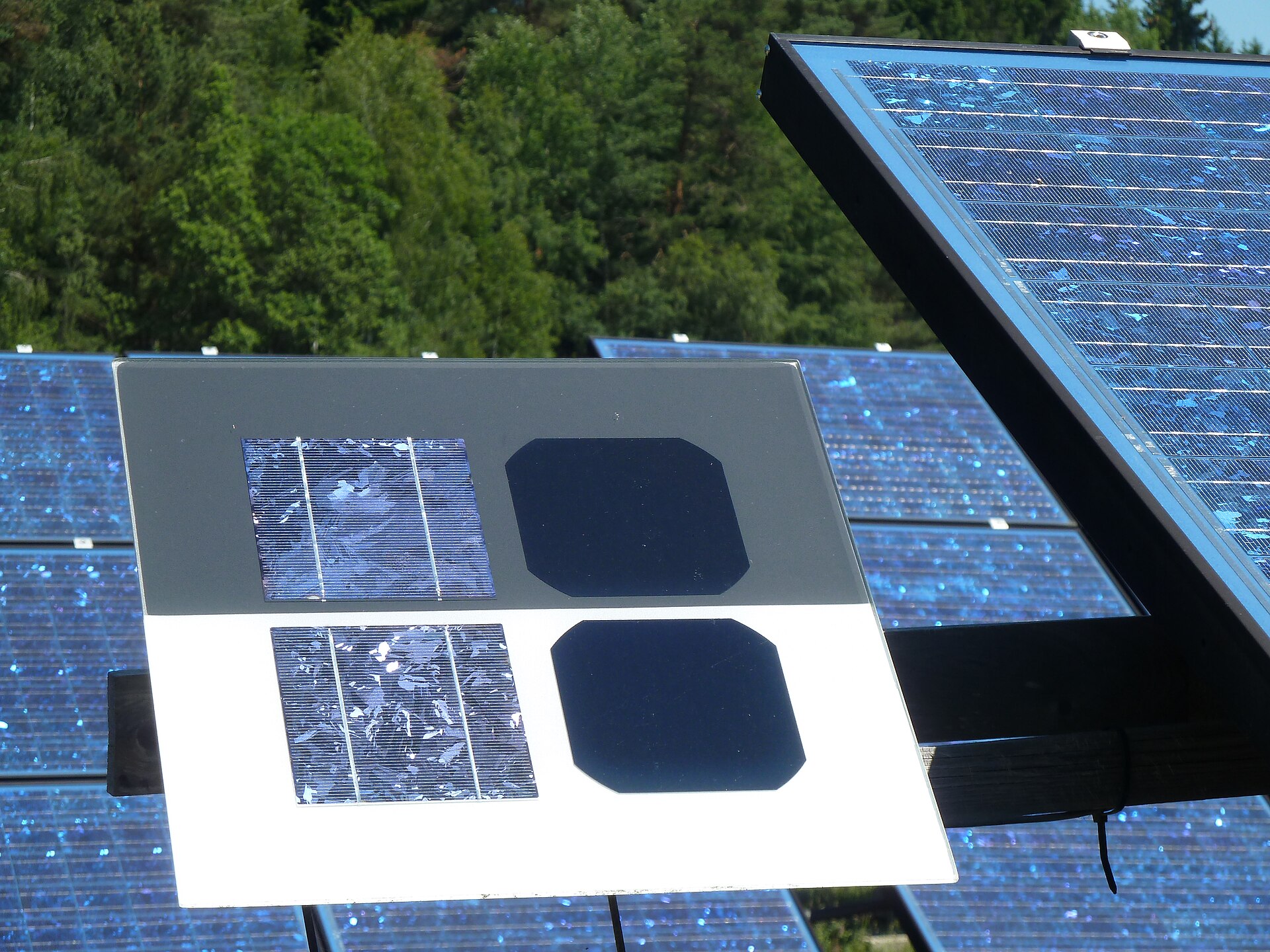
- Solar controls cover advanced polysilicon, wafer and cell-making processes and some factory equipment, not finished panels.
- Registration applies now; the final list follows a consultation that closes on November 15.
What China’s AI export controls would cover
The AI section reads like a map of what Beijing considers its crown jewels. The core of a large model, meaning its weights, key checkpoints, source code, architecture and training methods, would need a licence to leave China if the model was trained with at least 1026 operations, has at least 2 trillion parameters, or ranks among the world’s top ten on public evaluations, according to the draft annex as summarised by CTOL Digital Solutions. Parameters are the adjustable values a model learns in training; they are a rough measure of its size.
The draft also lists AI agents that can reliably break an instruction into a chain of 20 subtasks, AI-assisted tools that find and exploit software vulnerabilities, designs for AI chips made on 14-nanometre processes or finer, and the know-how to run computing clusters of more than 10,000 accelerator chips. At the top of the banned list is AI that can write and mutate malicious code on its own to attack critical infrastructure, defence systems or core government networks. That concern echoes the warning, reported by HahuPrime in August, from more than 100 companies that defenders have only a short window to harden systems against AI-enabled cyberattacks.
The exemptions matter just as much. The ministry said that offering a restricted model through an API, an app or website, a software-as-a-service product or a lightweight version on a user’s own device is not a technology export. Technology already public through open-source releases or academic papers is outside the rules altogether. According to Reuters, that distinction could let developers such as DeepSeek and Alibaba keep expanding abroad while Beijing gains more oversight of what leaves the country.
On the ministry’s own description, a developer in Nairobi or Addis Ababa building on a Chinese model should see little change in daily work. Open-weight models already published remain downloadable, and paid API access is not covered. What a foreign company could no longer do easily is buy, license or take control of the model itself.
The ministry described the revision as routine and said it “is not directed at any particular country, region, or entity”, according to an English translation of the spokesperson’s remarks published by Geopolitechs. The spokesperson also said China “supports Global South countries in strengthening their AI capabilities, bridging the digital divide”, and promised extra facilitation for members of the World Artificial Intelligence Cooperation Organization. Those are official statements of intent; how licences are granted in practice will only become clear once the final list is in force.
The solar rules and Ethiopia’s new factories
The solar section may have more direct consequences for Africa. It covers processes for making polysilicon, pulling silicon crystals, slicing ultra-thin wafers and producing high-efficiency TOPCon, back-contact and heterojunction cells, along with named equipment such as deposition machines and boron diffusion furnaces. Perovskite and tandem cell production technology would be banned outright, pv magazine reported. Finished cells and panels are not affected.
The spokesperson said exports of key solar technology often happen alongside “the export, installation, commissioning, modification, and upgrading” of production lines, and that exporters doing such work must apply for licences. pv magazine wrote that in the near term the measures could delay overseas solar manufacturing projects and raise compliance costs.
That is relevant to Hawassa. Toyo Solar, a Nasdaq-listed company with a Japanese parent and cell plants in Vietnam, opened a solar cell plant in the Hawassa special economic zone in April 2025 and says it has since reached 4 gigawatts of annual capacity. Its chief strategy officer, Rhone Resch, told PV Tech in July that about 1,800 employees there run “an advanced TOPCon manufacturing platform”, the same cell type named in the draft. Origin Solar also makes cells and modules in Ethiopia. HahuPrime could not establish where either company sources its production equipment, or whether any of it falls under the draft. Both already face a US trade investigation into whether Ethiopian-made cells contain Chinese components, which Toyo denies.
The plants have quickly become a meaningful export: US manufacturers who brought that case say cell and module imports from Ethiopia reached $277 million in the second half of 2025. That fits the push to diversify exports HahuPrime described in its report on Ethiopia’s export surge. Any African government hoping to attract the next cell or wafer plant will now have to consider whether Beijing will license the technology needed to build it.
Comments on the draft close on November 15. The ministry has not said when the final catalogue will take effect. Until then, every covered transfer, from a model licence to a production line upgrade, has to be registered on the commerce ministry’s online system first.
Sources
- MOFCOM and MOST Announcement No. 48 of 2026 (Chinese)
- China Imposes Temporary Export Registration Requirements for AI, Biotech and Solar Technologies (Geopolitechs)
- Beijing seeks tighter grip on AI exports amid US rivalry (Reuters)
- China’s draft export list controls model files and chip blueprints, not APIs (CTOL Digital Solutions)
- China proposes ban on exports of perovskite, tandem solar manufacturing technology (pv magazine)
- US DOC starts AD/CVD probe into Ethiopian solar cell producers (PV Tech)
- TOYO Commences Production in its 2GW Solar Cell Facility in Ethiopia (TOYO)