
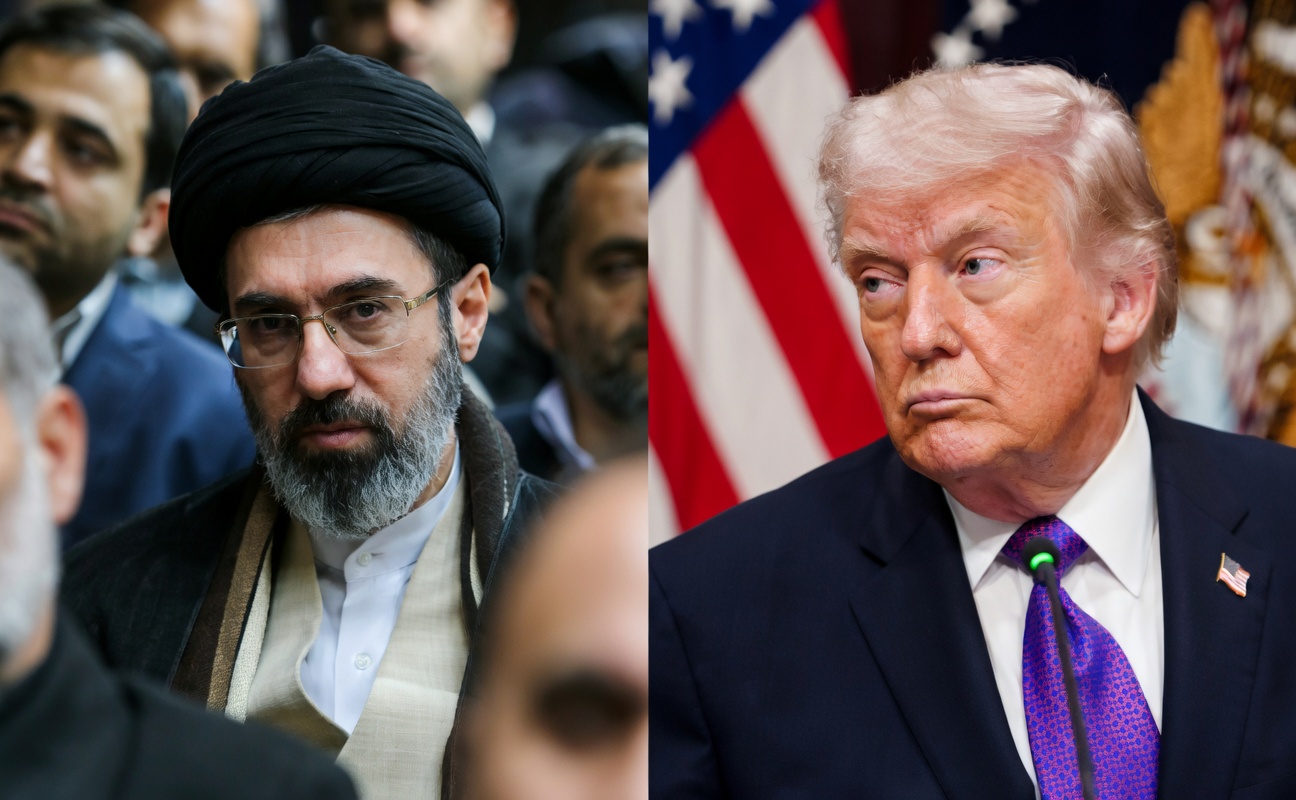
In a sign of deepening impasse, the United States and Iran have exchanged sharply contrasting proposals to end the ongoing war in the Middle East, with each side outlining conditions that appear to reflect fundamentally different visions for the region’s future.
The United States, through intermediaries including Pakistan, has presented Iran with a comprehensive 15-point framework aimed at neutralizing what Washington sees as Tehran’s primary threats to regional stability. According to reports from multiple outlets including The New York Times, the plan calls for Iran to dismantle its key nuclear facilities at **Natanz**, **Fordow**, and **Isfahan**, commit to zero uranium enrichment indefinitely, and surrender its entire stockpile of enriched uranium to the International Atomic Energy Agency (IAEA).
Additional U.S. demands include strict caps on Iran’s ballistic missile program in both range and quantity, a complete severance of support for regional proxy groups such as **Hezbollah**, the **Houthis**, and **Hamas**, and the immediate reopening of the **Strait of Hormuz** as a fully open maritime corridor. A 30-day ceasefire is proposed to facilitate negotiations, with the United States offering in return the lifting of sanctions and potential cooperation on Iran’s civilian nuclear energy needs.
Iran has firmly rejected the proposal, describing it as unacceptable and insisting that any resolution must come on its own terms. In response, Tehran has outlined its own set of conditions, emphasizing sovereignty, compensation, and an end to external interference.
Iranian state media, including Press TV and Tasnim news agency, report that Tehran demands an immediate halt to all U.S. and Israeli strikes and assassinations, along with binding international guarantees against future attacks. Other key points include payment of war reparations for damages suffered, formal recognition of Iran’s sovereignty over the Strait of Hormuz, and a complete cessation of hostilities against Iran and its allied “resistance” groups across the region. Iran further calls for the withdrawal of American military bases from the Middle East and the full lifting of sanctions, while insisting that its nuclear program, missile capabilities, and regional relationships remain untouched.
The contrasting positions highlight a profound gap: Washington seeks to “defang” Iran’s nuclear and proxy capabilities to secure long-term regional stability and freedom of navigation, while Tehran views the conflict through the lens of resisting foreign aggression and demands accountability, reparations, and respect for its strategic influence.
President Donald Trump has publicly stated that Iran is “begging to make a deal” and has extended deadlines for Tehran to reopen the Strait of Hormuz—through which roughly one-fifth of global oil trade passes—while signaling openness to further talks. Iranian officials, however, have denied active negotiations and accused the U.S. of attempting to manipulate markets and perceptions.
The Strait of Hormuz remains a critical flashpoint, with disruptions threatening global energy supplies and contributing to volatile oil prices. Recent reports indicate limited tanker movements as potential gestures, but Iran has also signaled plans to impose fees on vessels, further raising tensions.
As both sides harden their stances, mediators continue behind-the-scenes efforts, but analysts warn that without significant compromises, the risk of renewed escalation remains high. The coming days could prove decisive in determining whether diplomacy can bridge the divide or if military pressures will intensify once again.
This article draws on reporting from The New York Times, The Guardian, Al Jazeera, and other international sources covering the latest developments in the U.S.-Iran exchanges.
Source: NYT, The Guardian