
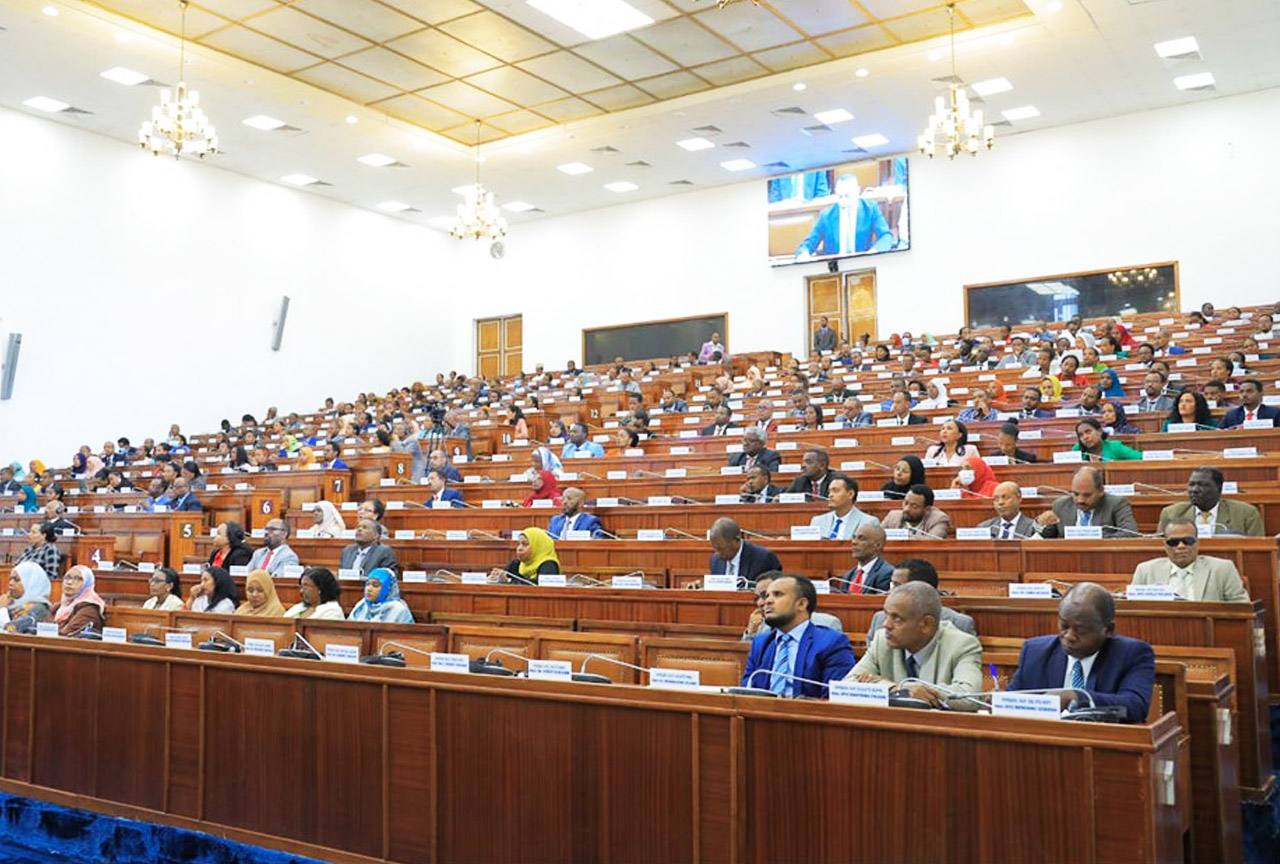
Parliament Approves Extension of Tigray Interim Administration’s Tenure Amid Political Debate
April 2-2025 Addis Ababa, On Tuesday, Megabit 23, 2017, Ethiopian calendar, April 1, 2025, Ethiopia’s House of Peoples’ Representatives voted to approve an amendment to a 21-year-old decree, enabling the extension of the interim administration’s tenure in the Tigray region. Passed with a majority vote and two abstentions, the amendment introduces greater flexibility to address the region’s ongoing security and political challenges.
The original decree, enacted over two decades ago, governs federal intervention in regional states. Dr. Tesfaye Beljige, the chief government whip, told parliament that the amendment was necessary because the existing two-year time limit for interim administrations often fails to match the complexity of real-world crises. “The time needed to resolve intricate security and political issues depends on their severity,” he said, noting that the current framework had revealed significant shortcomings.
The amendment retains the standard two-year tenure for interim administrations but adds provisions allowing extensions. If a situation’s complexity warrants it, the Speaker of the Federation Council can extend the tenure by up to one year, with the option for a second one-year extension. Each extension requires approval from the Federation Council during a regular session, ensuring parliamentary oversight.
The need for this change became evident after the two-year term of Tigray’s interim administration expired under the original decree. Prime Minister Abiy Ahmed had flagged this issue a week earlier, telling parliament that a legal amendment was essential to maintain stability in the region.
The decision sparked lively debate. Opposition member Dr. Aweke Amzaye questioned why the Tigray interim administration had not submitted a performance report to the House or prosecuted those accused of undermining the constitutional order. Citing a recent Ethiopian Defense Forces statement about TPLF activities in other regions led by a senior general, he asked how long the government would “tolerate” the TPLF and criticized the controversial decision to delist it as a terrorist group.
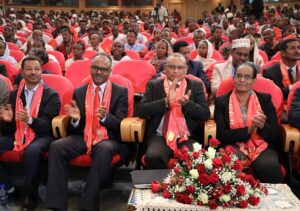
Dr. Abrham Bertam of the Ethiopian Citizens for Social Justice (Ezema) echoed these concerns, focusing on the TPLF’s incomplete disarmament under the Pretoria Agreement. He warned that the TPLF’s status as the only armed political group threatens both Tigray’s stability and national peace, accusing it of trying to topple the interim administration. “What steps will ensure this doesn’t happen again?” he pressed.
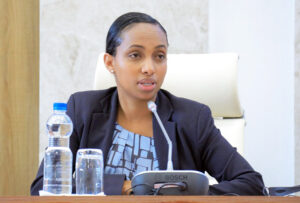
Justice Minister Hana Araya Selassie responded, affirming the government’s commitment to lasting peace in Tigray through the Pretoria Agreement. She highlighted that the amendment would empower the interim administration to carry out its duties effectively, with any extension accompanied by a clear plan to tackle constitutional threats, including preparations for elections.
This legislative move reflects Ethiopia’s struggle to balance regional governance with federal authority amid lingering tensions with the TPLF. As the interim administration’s role in Tigray evolves, the path to peace remains a contentious and complex journey.
Source Ethiopia Insider and HPR