
The United Nations says it is working to stop the deepening row between Ethiopia and Sudan from turning into a wider regional conflict, as the two neighbours keep accusing each other of arming the armed groups fighting on their soil.
Asked at the UN’s daily briefing in New York on Monday whether the organisation was doing anything to prevent the tensions from escalating, Deputy Spokesman Farhan Haq said the UN had “certainly been concerned about that” and wanted “to make sure that the situation, as bad as it has been in recent days, does not escalate further”.
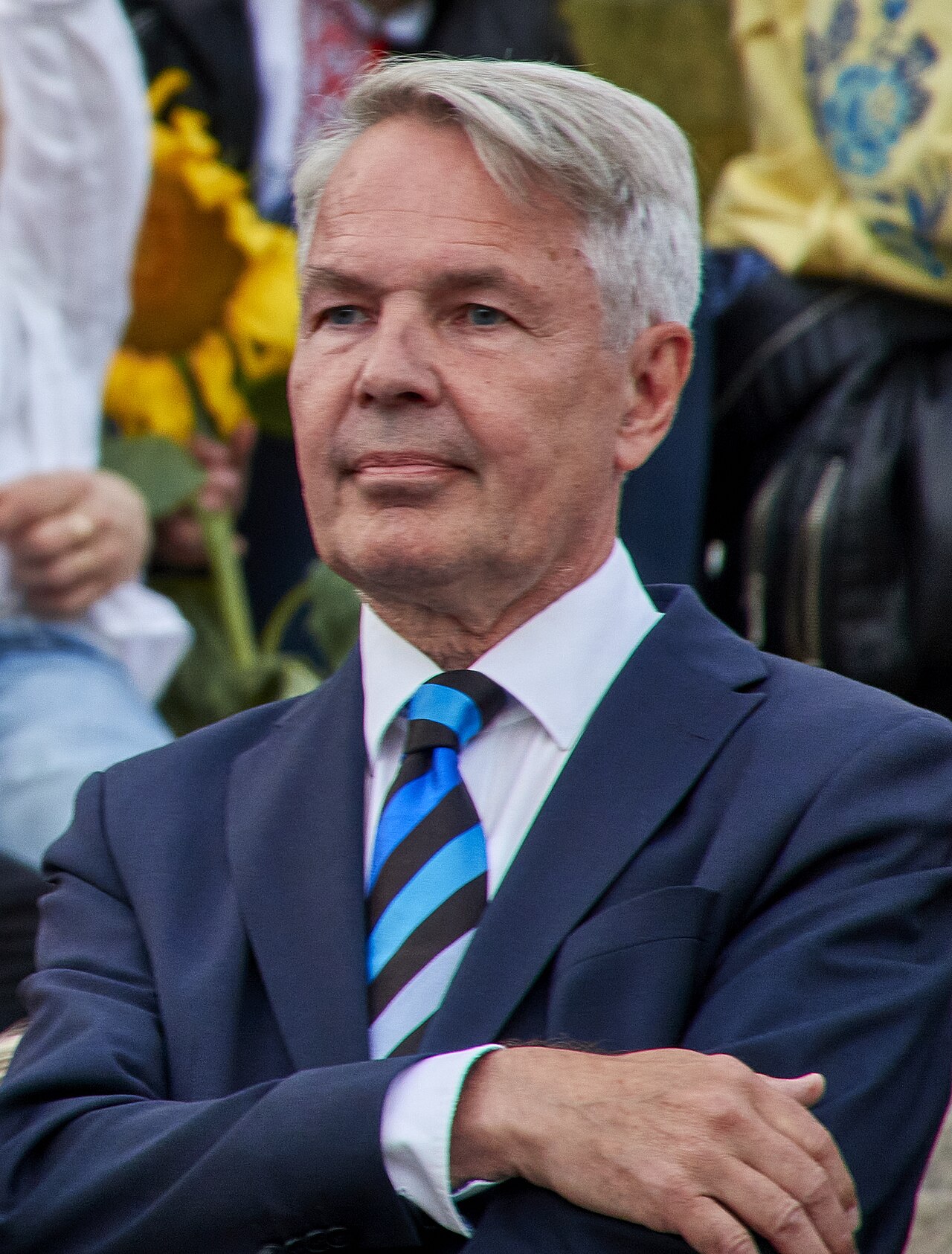
Haq said Pekka Haavisto, the Secretary-General’s Personal Envoy for Sudan, had just finished a visit to Abu Dhabi, where he met Sudanese and regional interlocutors as well as Emirati authorities, and plans to return to Sudan in the coming weeks. Haavisto has been working alongside Guang Cong, the UN’s Special Envoy for the Horn of Africa. Both officials, Haq added, “are aware of the problems posed by the Ethiopian involvement as well”. He did not explain what he meant by that.
Accusations in both directions
Sudan’s army-led government accuses Ethiopia of letting the paramilitary Rapid Support Forces (RSF) set up camps and launch drones from Ethiopian territory. At the start of November it lodged complaints with the UN Security Council and the African Union’s Peace and Security Council. Sudanese outlets, including Sudan Tribune and The Sudan Times, also report allegations that Ethiopia helped the United Arab Emirates channel military support to the RSF. Ethiopia denies backing the RSF, and the UAE has previously denied arming the group.
Addis Ababa, for its part, accuses Sudan, Eritrea and Egypt of supporting the Tigrayan forces that have been fighting federal troops since September. All three deny it. Last Wednesday, Getachew Reda, the prime minister’s adviser on East African affairs, said he had told Guang Cong that Sudan’s army chief, General Abdel Fattah al-Burhan, and Eritrea’s President Isaias Afwerki were arming and coordinating groups inside Ethiopia, including through repeated drone attacks. He said the two men agreed that “talking, not shooting” was the best way forward.
The quarrel has already spilled into diplomacy. Ethiopia ordered six staff of Sudan’s consulate in Asosa to leave the country early this month, and Sudan answered by closing Ethiopia’s consulate in Gedaref. According to The Abay Times, Sudan’s army said over the weekend that it had sent five combat units to Blue Nile state, which borders Ethiopia and where it is fighting the RSF and its allies.
What to watch
The UN did not announce any new talks between Addis Ababa and Khartoum, and none of the accusations made by either side has been independently verified. Haavisto’s planned return to Sudan, and any Security Council discussion of Sudan’s complaint, are the next moments to watch for signs of whether quiet diplomacy can slow the slide.
Sources
- UN: Daily press briefing by the Office of the Spokesperson, 16 November 2026
- Sudan Tribune: UN pushes diplomacy to prevent Ethiopia-Sudan escalation
- The Sudan Times: UN steps up diplomacy to ease Sudan-Ethiopia tensions
- The Abay Times: UN says it is working to stop Ethiopia–Sudan escalation
- The Abay Times: Getachew accuses Eritrea, Sudan army in talks with UN envoy