
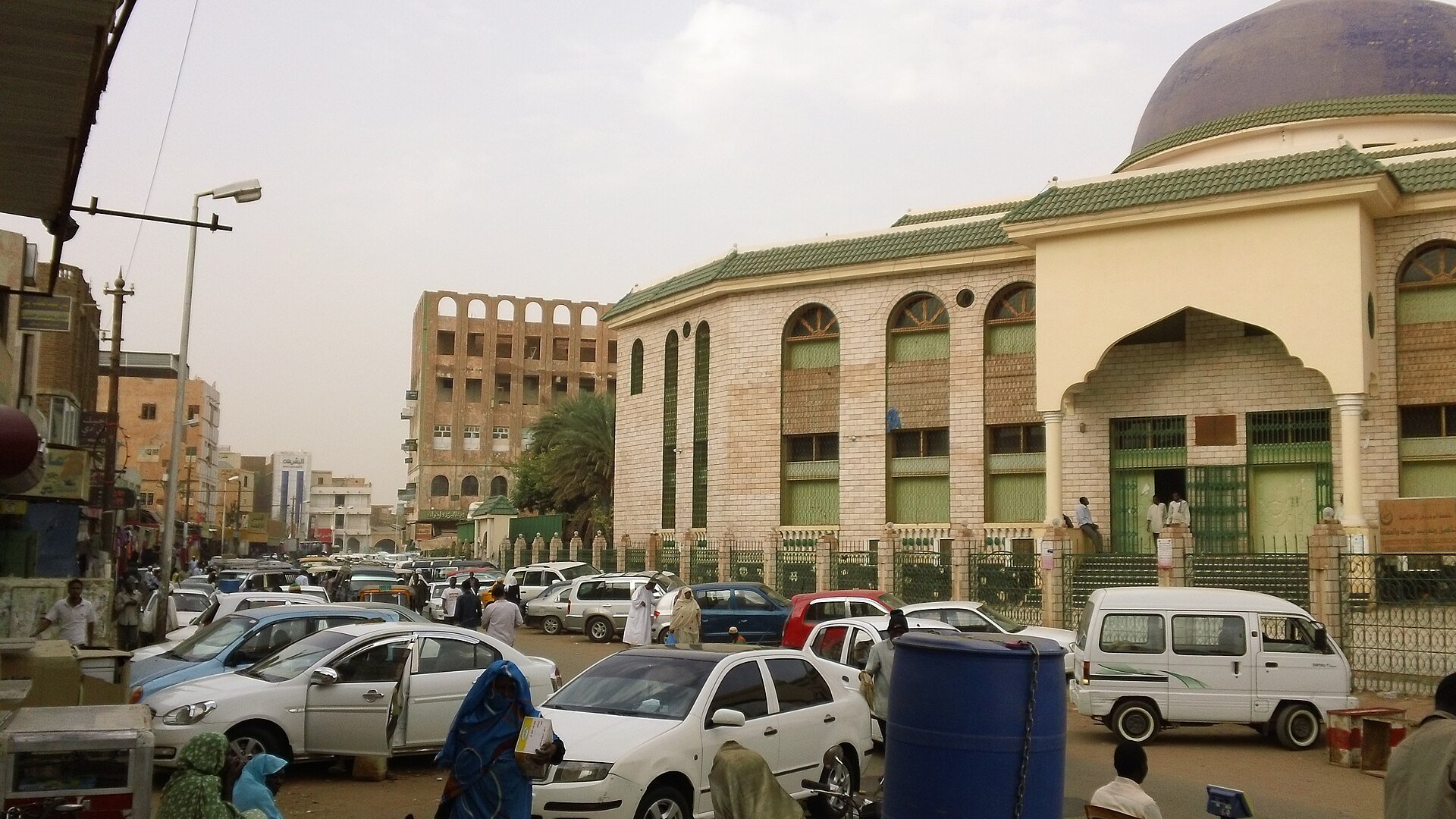
Sudan’s currency slid past 10,000 pounds to the dollar on the parallel market this week, capping a fall of about 60% in recent months. Bakeries, fuel importers and families who have already lost homes to the war are paying the price.
By HahuPrime News Desk | October 21, 2026
KHARTOUM — In Khartoum’s bakeries, 1,000 Sudanese pounds used to buy three pieces of bread. Now it buys two. In Omdurman, across the Nile, a currency trader working near the wholesale shops watched the dollar jump three times in two days, from 8,700 pounds on Monday to 9,300 and then 10,100 by Tuesday’s close.
“The parallel market has become frightening,” the trader told the news site Ultra Sudan.
On Wednesday the pound touched a new low of 10,000 to the dollar in parallel trading, Reuters reported. A month ago the previous low was 8,000. Before the war broke out in April 2023, a dollar cost about 600 pounds.
The official rate tells a different story. It remains stuck at 4,200 pounds to the dollar, Reuters said, a level last seen on the parallel market in army-controlled areas in May. Banks quote even lower: a weekly price bulletin from the Sudanese monitor ATAR listed the official selling rate at Omdurman National Bank at 3,778 pounds on Monday, against a parallel rate of about 9,065. The gap between the two now runs to more than double.
Why the pound is falling now
Currency traders told Reuters the main driver is demand for dollars to pay for imports. This week the government raised the customs dollar, the tightly controlled rate used to calculate import duties, to more than 5,600 pounds. That makes everything that comes in from abroad more expensive before it reaches a shop shelf.
Fuel is a big part of the pressure. Earlier this month, the Sudan Tribune reported that petroleum importers struggling with domestic shortages were scrambling for scarce foreign exchange, pushing the pound to 8,800. Traders cited hopes of a year-end supply arrangement between the state firm Sudapet and Saudi Aramco, but nothing has been announced.
The war has also shrunk what Sudan earns. Gold is the military-led government’s main source of hard currency, and much of it is smuggled abroad. According to the Sudan Tribune, the state-run Sudanese Mineral Resources Company’s nine-month results reflected exports of only about 20 tonnes of gold, while official estimates put total output at around 70 tonnes. Industry sources blamed central bank exchange rules and pricing that push trade outside the banking system. HahuPrime could not independently verify the size of the shortfall.
The army-led government, for its part, says the war and reconstruction require imports that drain dollars. Ultra Sudan described the slide as the worst in 26 years, and economists it quoted said the central bank had not intervened regularly to support the currency.
Bread, oil and gas out of reach
The fall shows up first in food. Bakeries in Khartoum began charging 500 pounds a loaf earlier this month, the Sudan Times reported. Issam Okasha, deputy head of the Khartoum Bakeries Union, said a 25-kilogram sack of flour had risen from 87,000 to 116,000 pounds in less than two months. A carton of commercial yeast went from 140,000 to 270,000 pounds. A container of cooking oil more than doubled, from 120,000 to 260,000.
Bakery owners also blame higher electricity, gas and labour costs. In Kosti, in White Nile state, bakeries now charge 2,000 pounds for five loaves, up from 1,000 pounds for three. One Omdurman resident told Ultra Sudan that bread alone for an average family could cost about 10,000 pounds a day, even after cutting back.
Other staples are climbing too. ATAR’s bulletin for the week to October 15 found a cylinder of cooking gas selling for 160,000 pounds on Omdurman’s parallel market, with sorghum, wheat and millet prices rising in markets from Nyala to Port Sudan. Some traders have stopped selling until the exchange rate settles, the bulletin said.
For many households this lands on top of everything else. The war between the Sudanese Armed Forces and the paramilitary Rapid Support Forces has forced more than 14 million people from their homes, according to the UN. UN agencies warned in May that about 19.5 million people faced acute food insecurity, with famine risks concentrated in parts of Darfur and South Kordofan. A family that has been displaced, sold its belongings and is living on remittances now sees each dollar it receives buy more pounds, but each pound buy less bread.
A government promising austerity
Prime Minister Kamil Idris has promised relief. After a three-day forum in Khartoum this month, he held an emergency meeting of ministers to draw up an urgent plan to cut government spending, the state news agency SUNA reported. The trade ministry said it had set up eight subsidised sales outlets in Khartoum state and planned to sell bread at reduced prices in Khartoum and several other states.
Analysts quoted by Ultra Sudan were sceptical. They argued that the war, which eats most of the public budget, has to end before any measure can hold. In September, Khartoum authorities had already exempted bakeries from local fees and asked them to keep prices steady. Prices rose anyway.
HahuPrime found no public statement from the Central Bank of Sudan on this week’s fall, or on how it plans to close the gap between the official and parallel rates.
The slide is part of a wider pattern in the Horn of Africa, where war and debt have pushed local currencies down. Ethiopia’s birr has lost so much value against the dollar that Kenya has overtaken Ethiopia’s economy in dollar terms. In Sudan, the fighting itself keeps getting deadlier. This week a drone strike on a market in the disputed Abyei area, which killed more than 220 people according to local officials hit a fuel depot, according to sources who spoke to Reuters.
Back in the bakeries, the arithmetic is simple. The pound buys less every week, and families are buying less bread.
Sources
- Reuters: Sudan’s currency tumbles to new low as war hammers economy
- Ultra Sudan via Sudan Today: Turmoil in currency markets as the US dollar jumps twice within hours
- The Sudan Times: Sudanese anger grows over soaring bread prices
- Sudan Tribune: Sudanese pound tumbles on fuel demand as gold export gap widens
- ATAR Network: Sudan Weekly Market Price Bulletin, Issue 61
- SUNA: Hope Government studies austerity plan to cut public spending and ease cost-of-living burdens