
Riyadh / Sanaa — 15 September 2026
HahuPrime News, based on statements from the Saudi-led coalition, Houthi officials, and international reports.
Saudi Arabia promised a firm military reply on Tuesday after Yemen’s Houthis sent missiles and drones into the kingdom, wounding thirteen civilians and damaging homes in three cities. The Saudi-led coalition, which fights in support of Yemen’s internationally recognised government, said the attack struck Khamis Mushait, Abha and Taif on Monday. Coalition spokesman Turki al-Maliki described the injuries as minor to moderate and said seven houses and two vehicles were damaged. He accused the Houthis of targeting civilians and civilian property and said the coalition would act to defend Saudi sovereignty and to deter what he called a hostile and extremist campaign.
The exchange did not come out of nowhere. Fighting between the Houthis and Saudi-backed Yemeni forces has flared again since the middle of the year, after a long stretch of relative quiet. In recent days the Houthis have claimed a large assault on King Khalid Air Base in Khamis Mushait, saying they fired dozens of ballistic missiles and drones at hangars, radar, runways and ammunition stores. Residents in the south of the kingdom reported loud blasts and fires that burned into the night. Saudi civil defence issued short alerts for Mecca, Jeddah, Taif and several other districts, then lifted them once the immediate danger had passed. For people in those cities, the warnings were a reminder that a war long associated with Yemen’s interior can still reach Saudi streets.
From Houthi officials and media came a different account of the same hours. Military spokesman Yahya Saree said Saudi F-15 and Typhoon jets had flown more than fifty raids across Yemen in twenty-four hours, including Taiz and Marib. Houthi-run health authorities said three people were killed in Taiz province, two of them children, and that others were wounded. Those deaths have not been independently confirmed. International news agencies have said they could not verify the claim, and Riyadh has not publicly accepted or denied the Yemeni casualty figures. That gap is familiar in this conflict. Each side reports its own dead and the other’s aggression, and the truth on the ground is often slower than the statements.
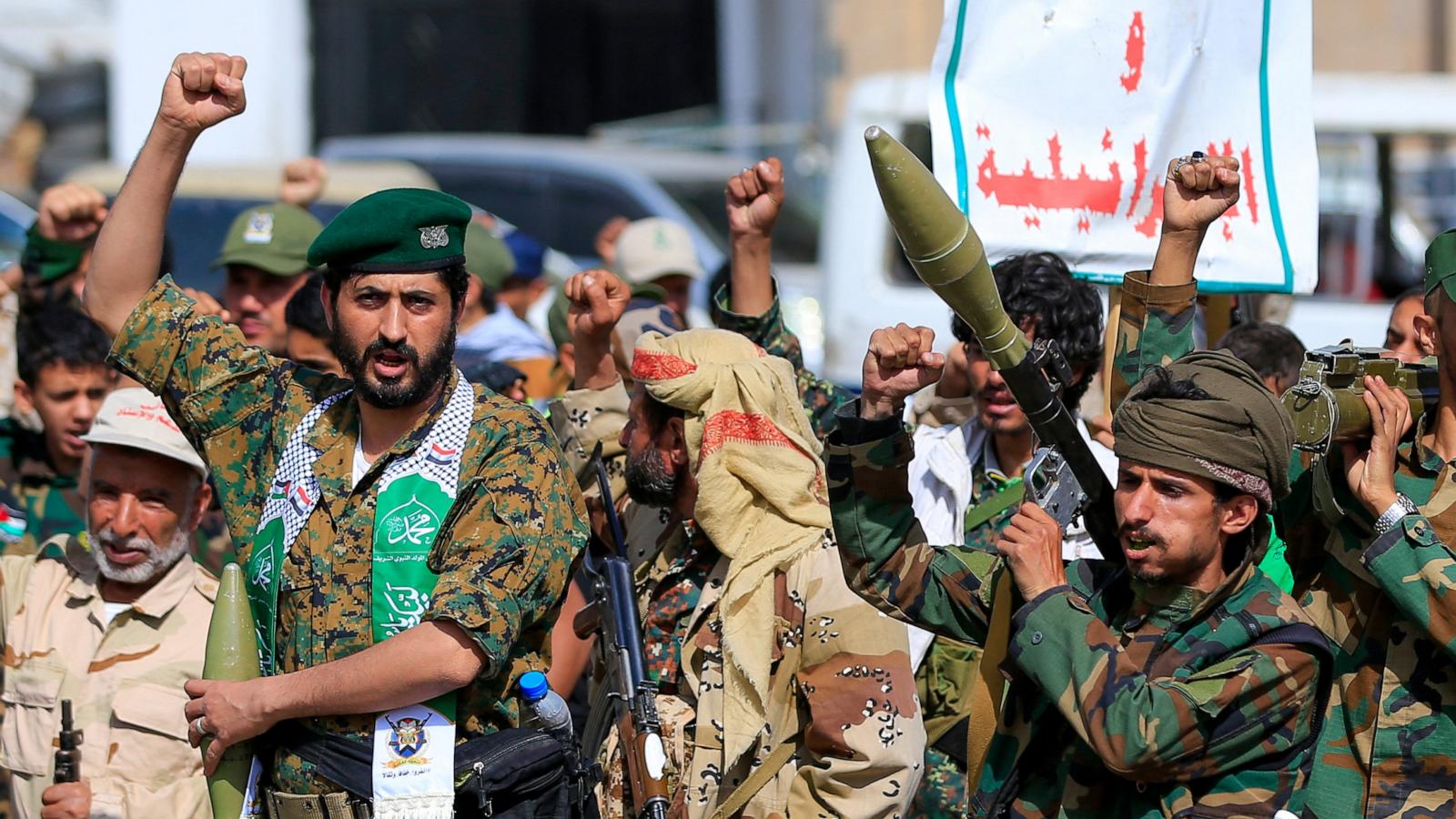
The Houthis, who hold much of northern Yemen and have lately pressed along the Red Sea coast, are widely described as aligned with Iran. Saudi officials call them a militia and, at times, a terrorist group. Neither label changes the pattern now in view: missiles and drones flying north, warplanes flying south, and civilians caught in the path of both. Al-Maliki said any Saudi response would rest on the right of self-defence under the United Nations Charter. Houthi political figures said Yemen’s reply would continue and grow so long as Saudi air raids did not stop. The language on both sides leaves little room for a pause.
Beyond the frontier, the fighting is already moving people and prices. United Nations humanitarian agencies say the latest surge has displaced about 125,000 people this month. That figure describes new flight, not the millions uprooted across more than a decade of war. Some families have reached the sea and crossed toward Djibouti. That small republic already hosts American, European and Japanese forces, yet their presence has not made the Red Sea safe. Houthi attacks on shipping, and their hold on stretches of the Yemeni coast and approaches to the Bab al-Mandab, have turned one of the world’s busiest corridors into a high-risk passage. Insurers, shipowners and oil traders have all had to price that danger.
Oil markets felt it at once. Brent crude, the global benchmark, has traded above 105 dollars a barrel, at times higher still during the session. Traders are not reacting to a single night of fire over Abha and Taif alone. They are weighing a wider Middle East crisis, pressure on the Strait of Hormuz, damage and risk to Saudi energy routes, and the chance that Red Sea exports will be harder to protect. Saudi Arabia is the world’s largest oil exporter. When its cities and facilities come under fire, the shock does not stay in the Gulf.
For Riyadh the political question is as sharp as the military one. The kingdom has spent years trying to wind down the Yemen war and to protect its cities, pilgrimage routes and energy plants. A return to open cross-border bombardment threatens all three. For the Houthis, strikes on Saudi soil are a way to answer air raids they say have hit their areas and to show that control of the Red Sea coast gives them leverage far beyond Sanaa. Neither calculation offers much comfort to the wounded in Khamis Mushait, or to families in Taiz waiting to learn whether the latest claim of dead children is true.
What comes next will be measured in raids, intercepts and statements that sound final until the next alert sounds. Saudi Arabia says it will take every measure it considers necessary to protect its territory. The Houthis say they will keep firing if the aircraft keep coming. Between those two promises sit hospitals already counting the injured, families already packing to leave, and a shipping lane the rest of the world still needs to stay open.
— HahuPrime News