
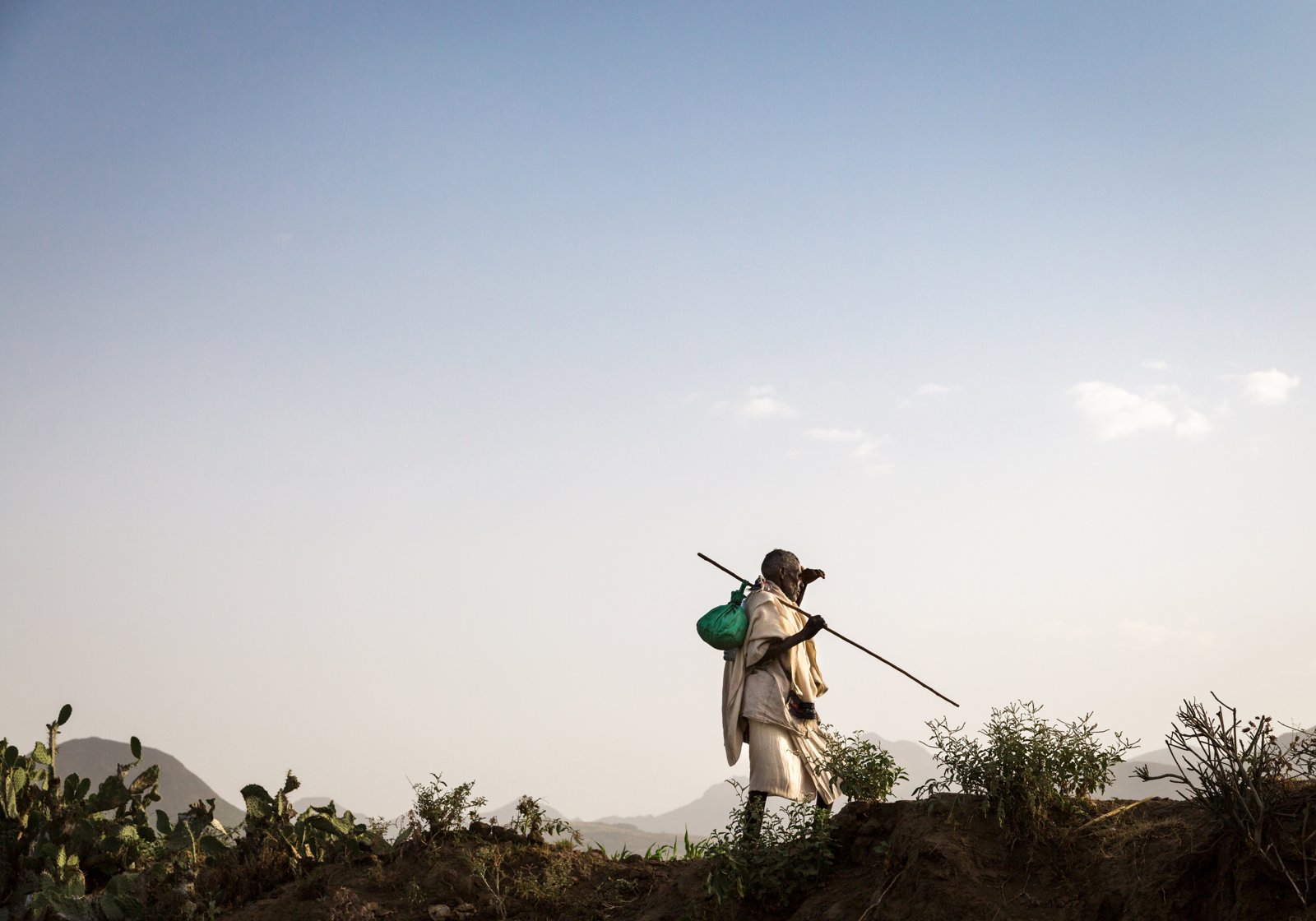
A humanitarian assessment seen by Addis Standard says drought, soaring prices and looted clinics are compounding needs in Afar, Amhara and Tigray. Roughly one in seven displaced children screened in central Tigray had moderate acute malnutrition, and aid agencies still lack a full picture of the crisis.
By HahuPrime News Desk | October 27, 2026
ADDIS ABABA — In Raya Azebo, a lowland district in southern Tigray, farmers planted more than 15,000 of its 26,000 hectares of farmland this year. Only about 400 hectares showed any crop growth.
Another 10,000 hectares were never planted at all, because the May rains did not come.
Those figures come from a humanitarian assessment dated October 19 and reported by Addis Standard on Tuesday. It describes northern Ethiopia caught between a failed season and renewed fighting. Drought, rising food prices, shortages of essential medicines and disrupted health services are piling on top of each other across Afar, Amhara and Tigray, the document says, and displaced children are among the most exposed.
“Needs are likely to remain high,” the assessment states.
A farmer quoted in the document said households in Raya Azebo could no longer afford basic food as prices climbed and production collapsed. After almost a year without a meaningful harvest, many families have used up their savings. Livestock owners have fared little better: animal prices fell, buyers became scarce, and cattle died from disease and a lack of fodder.
Malnutrition among displaced children
The clearest warning sign is in the camps and host communities of central and northwestern Tigray. Screening carried out in September and October in Laelay Adiabo, Axum and Adwa found that about 15% of roughly 11,800 children in displaced communities had moderate acute malnutrition, according to the assessment.
That is a partial snapshot, and the document says so. “At the time of writing, there is no needs assessment data available,” it states, listing rapid needs assessments as a priority as access improves.
The wider food outlook is grim. The Famine Early Warning Systems Network (FEWS NET) said in its latest Ethiopia update that Crisis (IPC Phase 3) outcomes are expected to persist through January 2027 in parts of South and East Tigray, in lowland woredas along the Tekeze River, and in East and West Hararghe in Oromia, where seasonal rain fell to half of average or less in the worst-hit areas.
FEWS NET also warned that the meher harvest, Ethiopia’s main annual crop, will most likely be below average nationally. In Tigray, many crops were still flowering when they would normally be close to harvest, a delay of at least a month that keeps poor households buying food at high market prices for longer.
The monitoring group added that if fighting continues at its current intensity or worsens, food security in affected areas “could deteriorate” as market supplies shrink, cash and fuel remain scarce and staple prices rise further.
Clinics looted, health workers leaving
The health system is under similar strain. Hospitals in Sheraro, in northwestern Tigray, are struggling to keep services running because of insecurity, shortages of medical supplies and long delays in civil servants’ salaries, the assessment says. Unpaid wages have pushed some health workers to leave the area.
Health facilities in Wukro and Adwa, as well as at Adigrat University, have reportedly been looted or vandalised. The assessment does not say who was responsible.
In Amhara, a cholera outbreak in Wag Hamra zone remains a concern, with humanitarian sources reporting limited treatment supplies, including fluids.
Few supplies were reaching Zala Anbesa, in eastern Tigray near the Eritrean border, as of October 15. Prices were rising sharply, and shops and restaurants had closed.
Aid is moving, but access is uneven
There are signs that relief is getting through. The UN Office for the Coordination of Humanitarian Affairs (OCHA) said on October 9 that the first aid convoy since the latest hostilities had reached Mekelle, with four World Food Programme trucks carrying 90 metric tons of supplies to treat acute malnutrition along the Semera-Abala corridor from Afar.
“Once again, the UN stresses the need to protect civilians and ensure continued access to critical assistance, including functioning health facilities,” OCHA said at the time.
An inter-agency convoy delivered medicines and other supplies on October 14, according to the assessment. The World Health Organization said on October 21 that it had delivered more than 71 metric tonnes of medical supplies to Tigray, Amhara and Afar. Humanitarian flights to Mekelle have resumed, and the International Committee of the Red Cross and the Ethiopian Red Cross Society have supplied hospitals in Shire, Maichew, Mekoni and Alamata.
Access is still difficult or unsafe where fighting continues, the assessment warns. In Amhara, road blockages and insecurity are delaying convoys, and aid workers have reportedly faced harassment, theft and demands for money. In rural northwestern Tigray, civilians have moved toward Shire to escape hostilities and artillery fire, adding pressure to a town already hosting large numbers of displaced people.
The latest strain comes on top of needs left unmet since the 2020-2022 war, which ended with the Pretoria agreement. Fighting between federal forces and Tigrayan armed groups escalated again in late September, and HahuPrime has reported on TPLF leader Debretsion Gebremichael’s claim that Tigray is “still at war” and on calls for Tigrayan fighters to disarm. Donors have started to respond: the UK last week pledged £8 million in humanitarian aid for northern Ethiopia.
The assessment also points to a less visible problem. In Tigray, disruption to the regional agriculture and disaster risk management offices has weakened local capacity to respond to the drought, and the lack of functioning administrative structures continues to complicate planning. Its conclusion is that wider access must come with rapid needs assessments and better coordination, so that agencies can finally measure how large the gap has become.
FEWS NET has said its next analysis, reflecting the impact of the escalation on food insecurity, will be available after October 31.
Sources
- Addis Standard (via allAfrica): Ethiopia: Drought, Food Shortages and Child Malnutrition Deepen Humanitarian Needs in Afar, Amhara and Tigray
- The Abay Times: Assessment finds child malnutrition deepening in Afar, Amhara and Tigray
- FEWS NET (via ReliefWeb): Ethiopia Key Message Update, September 2026 – January 2027: Conflict escalates rapidly in Tigray as delayed meher harvest extends lean season
- WHO Regional Office for Africa: WHO’s emergency response in Northern Ethiopia
- UN News: World News in Brief: Aid for Ethiopia, Abyei drone strikes condemned, extreme heat and newborn health
- Xinhua: First aid convoy, relief workers reach Ethiopia’s Tigray since renewed fighting: UN