
Iran’s ‘Axis of Resistance’ Persists Amid Heavy Losses, Bolstered by Russia and China
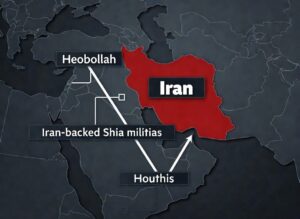
Despite significant battlefield setbacks, including the loss of key positions in Syria and damage to its own military infrastructure, Iran continues to project power through a resilient network of proxy groups across the Middle East. The so-called “Axis of Resistance” remains active, with Iranian-backed militias launching attacks that complicate U.S. and Israeli operations in the region.
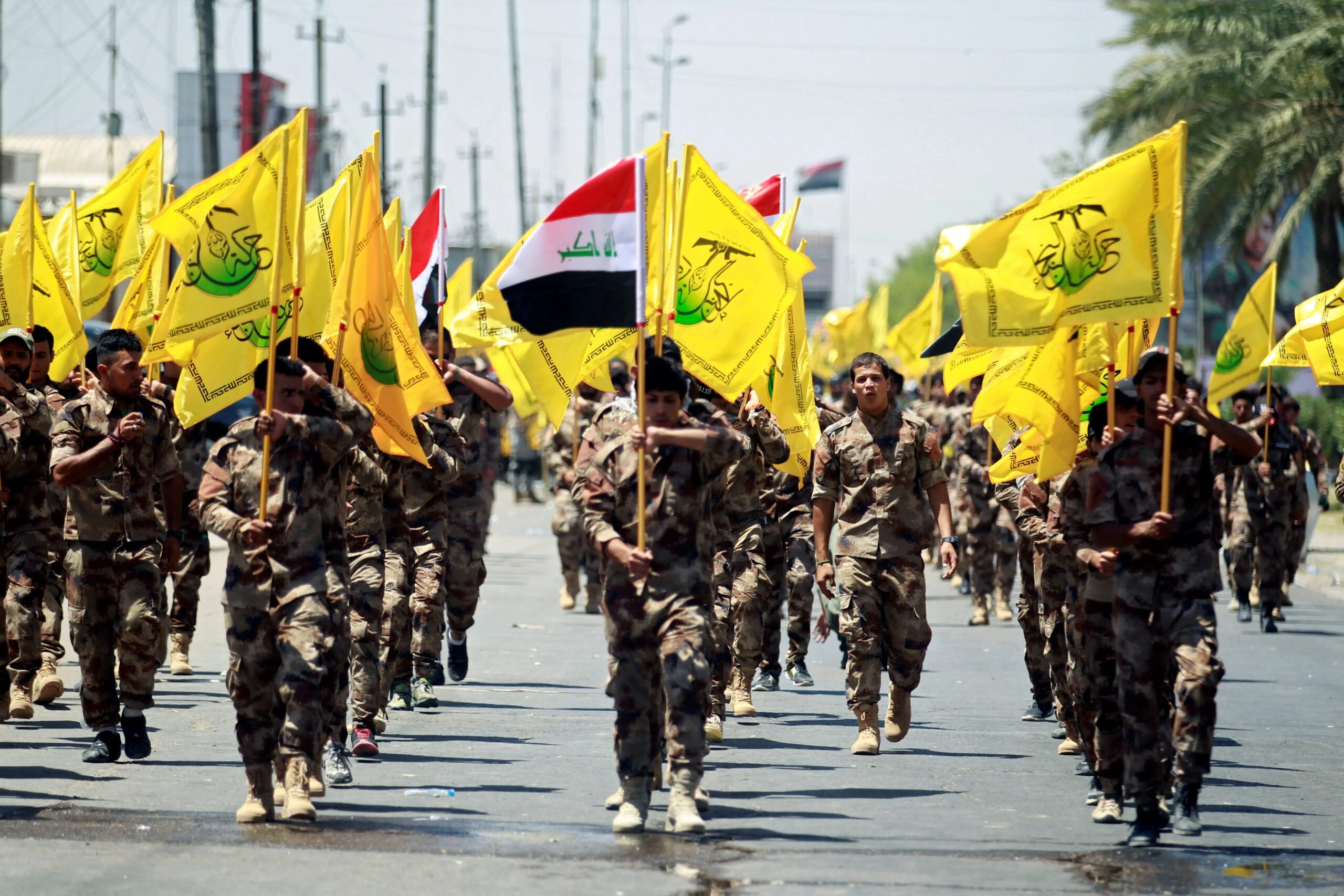
Iraqi Shia militias, often operating under umbrellas like the Popular Mobilization Forces (PMF) or the Islamic Resistance in Iraq, have repeatedly targeted U.S. bases, diplomatic facilities, and logistics sites in Iraq. These include drone and rocket strikes near Baghdad International Airport, Erbil, and other installations housing American personnel. The groups have claimed dozens of operations since late February, framing them as retaliation for U.S. and Israeli strikes on Iran.
In Lebanon, Hezbollah has continued firing rockets into northern Israel, while Yemen’s Houthi rebels have launched ballistic missiles toward Israeli targets and maintained threats to Red Sea shipping routes. These actions, though limited in scale compared to earlier phases of conflict, keep multiple fronts open and raise the operational costs for adversaries.
Iran’s ability to sustain this asymmetrical campaign owes much to external backing from major powers. According to Western intelligence cited in reports, including by the Financial Times, Russia has provided Tehran with critical intelligence on U.S. military assets in the Middle East—such as satellite imagery of warships, aircraft, and troop positions. Moscow is also reportedly advancing deliveries of upgraded drones, including modified Shahed/Geran-2 variants with enhanced engines, navigation, and countermeasures, along with related training and electronic warfare support. This cooperation builds on earlier exchanges, where Iran supplied drones for Russia’s use in Ukraine.
China, meanwhile, remains Iran’s largest buyer of oil, purchasing the vast majority of its exported crude despite Western sanctions. This trade—often facilitated through “shadow fleet” tankers and alternative payment mechanisms—supplies Tehran with essential hard currency to fund its military and proxy activities. Beijing has also been linked to the supply of dual-use components and materials that aid Iran’s drone and missile programs, forming part of a broader “Axis of Evasion” that helps sanctioned states circumvent restrictions through integrated supply chains.
These dynamics have allowed Iran to weather heavy hits. The collapse of the Assad regime in Syria severed a vital land corridor for resupplying proxies like Hezbollah, scattering Iranian-linked forces and disrupting logistics. Yet the network has adapted, relying more on maritime routes and dispersed operations. Proxies continue low-level harassment, turning Iran’s survival into a broader test of Western resolve and regional stability.
Analysts describe this as a coalition effort in which Russia contributes technological and intelligence edges, while China provides economic lifelines. Neither power has engaged directly in combat on Iran’s behalf, but their support enables Tehran to prolong an indirect challenge to U.S. and Israeli interests without a full-scale conventional war.
The situation remains fluid, with risks of escalation if proxy attacks intensify or if Red Sea disruptions resume in force. For now, Iran’s strategy of asymmetric warfare—leveraging proxies and big-power enablers—continues to shape the conflict’s contours, even as its core territory and traditional supply lines face sustained pressure.
Our sources: Financial Times coverage on Russian drone and intelligence support, alongside assessments from think tanks like the Atlantic Council on the China-Russia-Iran economic and supply-chain ties.