
Verdict: The advice is real, but there is no sign that “something big is coming.” Many governments do tell households to keep emergency supplies at home. This is long-standing, routine resilience planning for power cuts, extreme weather and cyberattacks, not a coordinated warning about one imminent catastrophe.
The claim
In October, posts spread on social media saying governments around the world had suddenly issued “emergency warnings” to stock up on supplies, and that the timing pointed to an unnamed disaster.
What is true
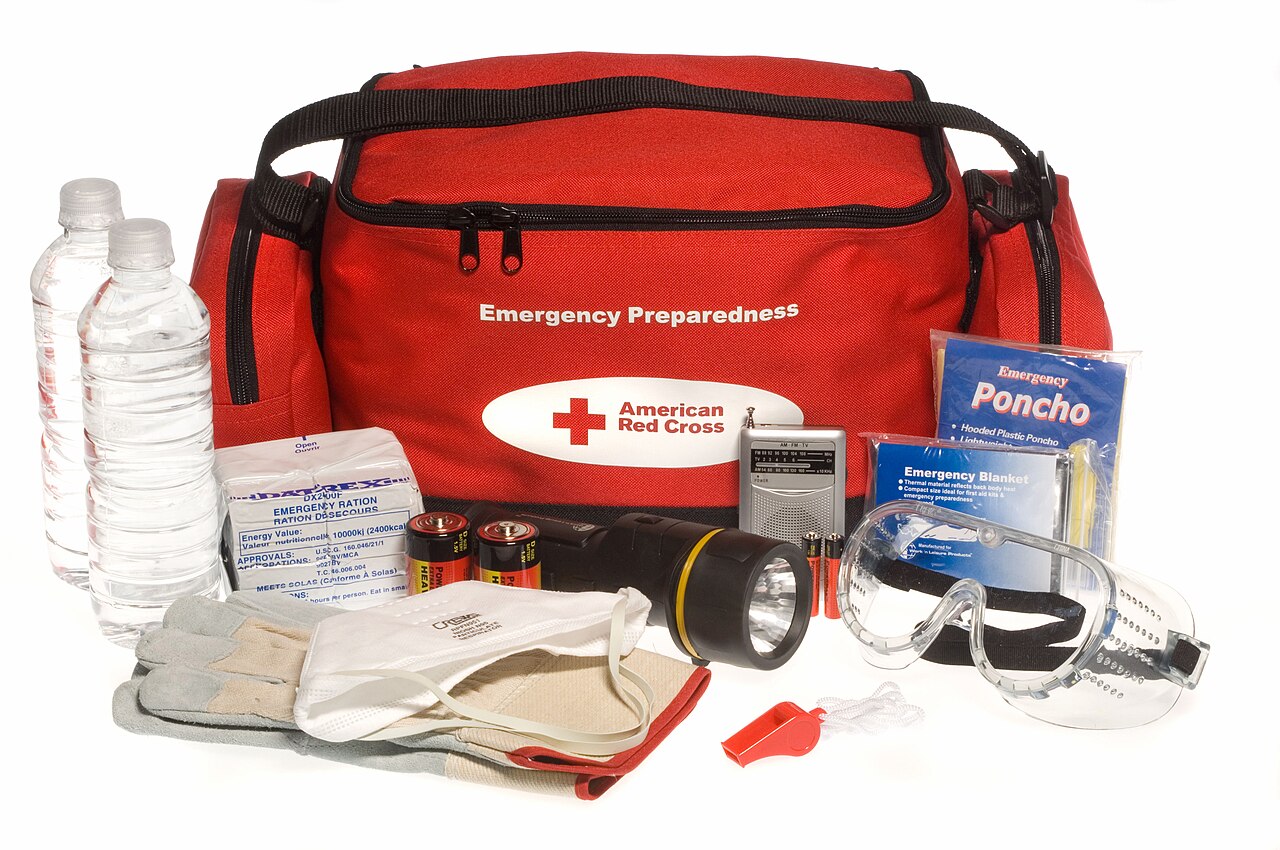
A map compiled by Newsweek counts about 33 countries that advise households to keep emergency kits. The contents are broadly the same everywhere: water, non-perishable food, a torch, a radio, medicine, cash and first aid supplies. Three days, or 72 hours, is the most common guideline. Some countries ask for more: Sweden and Norway suggest about a week, and Germany up to 10 days where possible.
The advice was promoted more actively this year. The UK launched its “Be Ready” campaign in October, asking households to be able to manage for three days. The government said the advice is meant to help people cope with events such as severe weather that can disrupt power, water, phones and the internet. In Japan, a new Disaster Management Agency began work on November 2, and its minister, Goshi Hosono, has asked households to keep at least three days of supplies, and a week’s worth if possible, with a focus on natural disasters such as earthquakes.
In Europe, Snopes found that many countries were simply following the EU’s Preparedness Union Strategy, published in March 2025, which encourages people to be able to cope on their own for at least 72 hours. Belgium and Ireland issued new guides in recent months, and most other countries named in the posts had done so in the past two years.
Why it is not a sign of disaster
As Snopes notes, governments have urged people to prepare for emergencies for decades. The point of a kit is that no one knows when an outage or storm might strike. Officials cite a mix of risks, including heavier storms, heatwaves and threats to infrastructure from cyberattacks, rather than any single expected event.
A simple 3-day home kit
- Drinking water: about 3 litres per person per day
- Food that keeps without a fridge and needs no cooking, plus a manual tin opener
- A torch and spare batteries
- A battery or wind-up radio
- A first aid kit and any essential medicines
- Some cash in small notes and coins
- Blankets or warm clothing, and basic hygiene items
- Extras for babies, older relatives or pets if needed
Don’t forget a digital kit
Keep a charged power bank, download offline maps of your area, write key phone numbers on paper, and keep some cash in case card payments fail.
Watch out for scams
Alarming stories like this are an easy hook for scammers. Be wary of urgent ads for “survival kit” shops, unknown websites and links in messages that claim a disaster is coming. You do not need a special kit; most items are sold in ordinary shops. Check advice on your own government’s official website.
Update: The European Commission has just published new guidelines to strengthen population preparedness, aimed at helping national authorities teach people practical steps such as packing an emergency bag and coping on their own for the first 72 hours of a crisis. The Commission links them to Europe’s growing crisis risks and its wider Preparedness Union Strategy, and does not point to any specific expected event.
Sources
- Snopes: Why you shouldn’t panic about governments urging citizens to maintain emergency preparedness kits
- GOV.UK: Households encouraged to take small, simple steps to stay prepared in an emergency
- UK Be Ready checklist
- Newsweek: Map shows countries urging residents to stockpile food
- Swedish Civil Defence and Resilience Agency: Basics of home preparedness
- European Commission: Preparedness Union Strategy
- European Commission on X: Prepared citizens. A more resilient Europe.
- European Commission: Commission takes new steps to prepare Europeans for growing crisis risks