
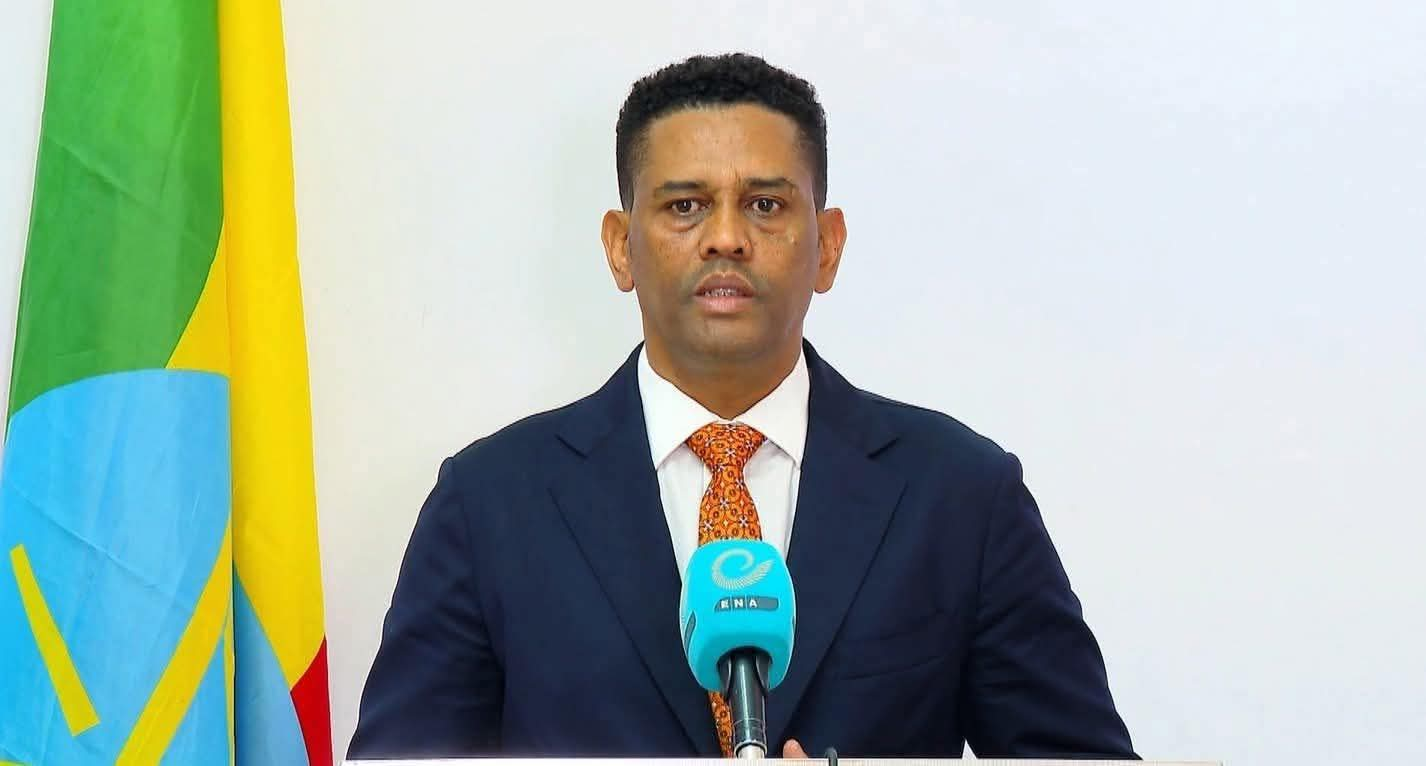
ADDIS ABABA – In a move to stabilize a fluttering economy, the Ethiopian government has officially activated a strategic fuel rationing and oversight plan. The announcement, delivered by Minister of Trade and Regional Integration Dr. Kasahun Gofe, comes as the escalating warfare in the Middle East chokes off traditional energy routes and sends global prices into a tailspin.
A Supply Chain Under Siege
The Minister painted a stark picture of the current energy landscape. Ethiopia’s long-term procurement contracts have been effectively neutralized by the regional instability, with international suppliers formally declaring their inability to deliver.
The numbers reveal the depth of the challenge:
- Procurement Blackout: Over 180,000 metric tons of fuel destined for Ethiopia have been stalled or canceled.
- Supply Halved: Daily diesel availability has been slashed from 9.2 million liters to a mere 4.5 million liters.
- Price Shocks: White diesel has ballooned from $80 to $230 per barrel, while gasoline has more than doubled.
The “Priority Seven” Strategy
To prevent a total economic standstill, the government has moved away from a “first-come, first-served” model at the pumps. A newly formed 24/7 Special Monitoring Unit will now enforce a strict hierarchy of access, ensuring that the lifeblood of the nation goes where it is needed most.
The priority list includes:
- Logistics: Vehicles actively transporting fuel.
- Productivity: Export-heavy manufacturing and industrial hubs.
- Infrastructure: High-stakes private and state construction projects.
- Supply Chain: Transport of essential food and consumer goods.
- Food Security: Agricultural machinery and tractors.
- Mass Transit: Public buses and cross-country transport.
- Public Service: Diesel-powered citizen transport services.
Massive Financial Cushion
Despite buying fuel at nearly triple the previous cost on the “adjunct market,” the Ethiopian government is maintaining a heavy financial buffer to prevent a cost-of-living explosion.
The state is currently absorbing 95 Birr per liter of diesel and 42 Birr per liter of gasoline. This subsidy program is costing the national treasury upwards of 20 billion Birr every month, with total spending already crossing the 262 billion Birr mark.
Enforcement and Public Duty
The Ministry is also taking a “zero tolerance” approach to the burgeoning black market. Criminal proceedings are already underway for 658 suspects—including government officials—implicated in fuel hoarding.
Dr. Gofe concluded with a call for national solidarity, urging Ethiopians to adopt a “Conservation First” mindset. This includes curbing unnecessary travel, utilizing public transport, and reporting illicit trade to the authorities.
Ethiopian news agency and FMC are our source for this article.