
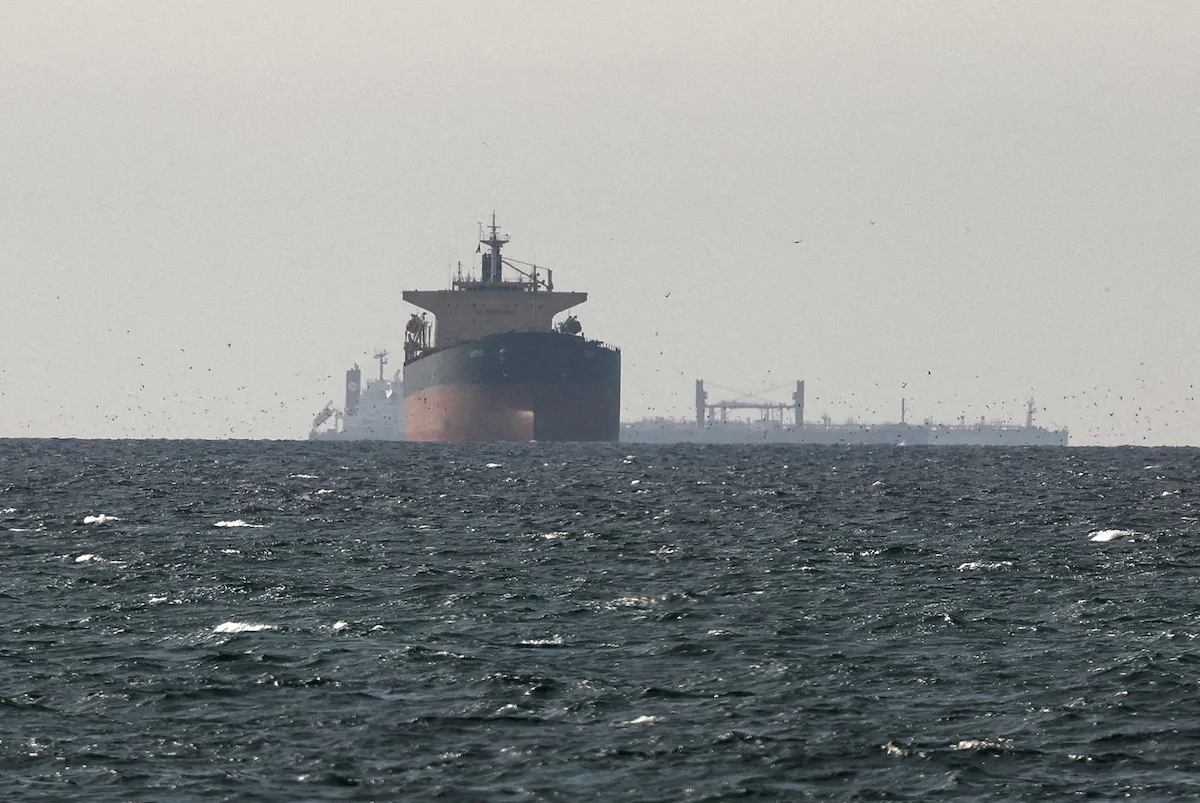
Ethiopia Faces Fuel Supply Crisis as Three Tankers Carrying 180,000 Metric Tons of Petroleum Products Stranded in Arabian Gulf
Addis Ababa, Ethiopia – Three cargo ships loaded with a combined 180,000 metric tons of fuel destined for Ethiopia have been forced to remain anchored in the Arabian Gulf, the Ministry of Trade and Regional Integration has confirmed.
The vessels are carrying 120,000 metric tons of white diesel (gasoil) and 60,000 metric tons of aviation fuel (jet fuel). Their journey has been halted following the closure of the Strait of Hormuz, a vital waterway for global oil shipments, amid the ongoing war in the Middle East.
In an official statement, the ministry said the disruption stems directly from the regional conflict that has effectively blocked the strategic strait. The development comes at a time when global oil prices have risen sharply since February 21, 2018 in the Ethiopian calendar (approximately late February 2026 Gregorian).
The ministry further revealed that a long-standing supply agreement with the Government of Kuwait — which covered 60 percent of Ethiopia’s white diesel needs and 100 percent of its aviation fuel requirements — has been suspended because of the war. As a result, the Ethiopian government has been compelled to source fuel through the more expensive and volatile spot market for urgent purchases.
“This situation has exposed the country to higher procurement costs and potential supply uncertainties,” the ministry noted.
Potential Impact on Ethiopia
The stranded fuel represents a significant portion of Ethiopia’s immediate petroleum imports. White diesel is critical for road transport, power generation, and agriculture, while jet fuel is essential for the aviation sector, including Ethiopian Airlines’ international and domestic operations.
Analysts warn that prolonged delays could lead to tighter fuel supplies, possible price increases at the pump, and challenges for industries dependent on reliable energy. The government has not yet released details on contingency plans, alternative sourcing routes, or expected timelines for the ships to resume their journey.
The Ministry of Trade and Regional Integration said it is closely monitoring the situation and will provide updates as developments unfold.
Source: Official statement from the Ministry of Trade and Regional Integration, as reported by AS.