
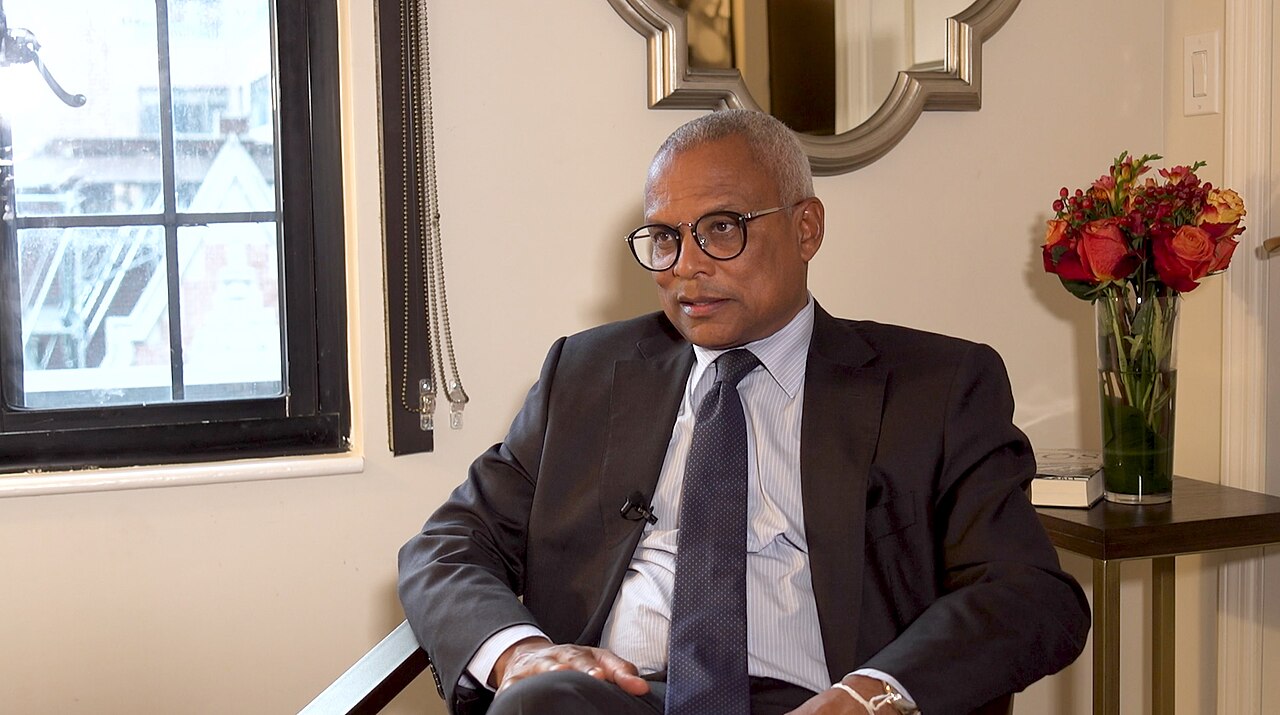
Voters in Cape Verde go to the polls on Sunday to choose a president, with incumbent José Maria Neves widely seen as the favourite against a field that includes the first woman ever to run for the country’s top office.
Campaigning for the first round officially wrapped up on Friday. According to the Portuguese news agency Lusa, as reported by the Cape Verdean weekly Expresso das Ilhas, six candidates are on the ballot. Two of them have the backing of the country’s main parties: Neves, who is supported by the governing African Party for the Independence of Cape Verde (PAICV), and former justice minister Joana Rosa, who is backed by the opposition Movement for Democracy (MpD). The other four are doctor Gilson Alves, lawyer Casimiro de Pina, judge Antero Tavares and lecturer Loisito de Sousa.
About 419,400 people are registered to vote, Lusa reported, including roughly 76,400 in the diaspora. That is about 18 per cent of the total, in a country whose emigrant communities in Europe, the United States and elsewhere in Africa are a large part of its national life. Turnout will be closely watched: abstention in the 2021 presidential vote was 52 per cent. If no candidate wins more than half of the valid votes, a runoff will be held on 29 November, according to the presidential decree that set the election date.
A favourite seeking a second term
Reuters reported that analysts see Neves, 66, as the clear favourite to win another five-year term. A victory would hand the PAICV full control of the state’s top offices, after the party won 37 of 72 seats in May’s legislative election and Francisco Carvalho became prime minister. The MpD had governed for the previous ten years.
Neves, who was prime minister from 2001 to 2016, told Reuters he wanted to use a second term to push “inclusive economic growth” and the reforms needed for better wages and incomes. He plans to organise a youth convention on jobs. According to DW, his campaign has focused on young people, territorial cohesion, democracy, the ocean economy and the diaspora.
A first for Cape Verdean politics
Rosa, 61, is the first woman to run for president in Cape Verde. She told Reuters she was standing to “demonstrate women’s capabilities”, attract foreign investment and keep a balance of power instead of what she called total control by the PAICV. She has also highlighted emigration: she said the continued departure of young Cape Verdeans abroad “creates domestic problems and slows down our development process.”
Under Cape Verde’s semi-presidential system, the prime minister runs the government. The president still holds significant powers, including a veto and a mediating role between institutions. Lusa reported that about 150 observers from six international organisations will monitor the vote.
The archipelago of around half a million people, more than 600 kilometres off the West African coast, is often cited as one of the continent’s most stable democracies.
Sources
- Reuters via CNBC Africa: Cape Verde president eyes new term as party builds on legislative win
- Expresso das Ilhas / Lusa: Campanha para escolher Presidente da República termina hoje (Portuguese)
- DW: Cabo Verde escolhe novo Presidente: Conheça os candidatos (Portuguese)
- Presidency of Cape Verde: Election date decree (Portuguese)