
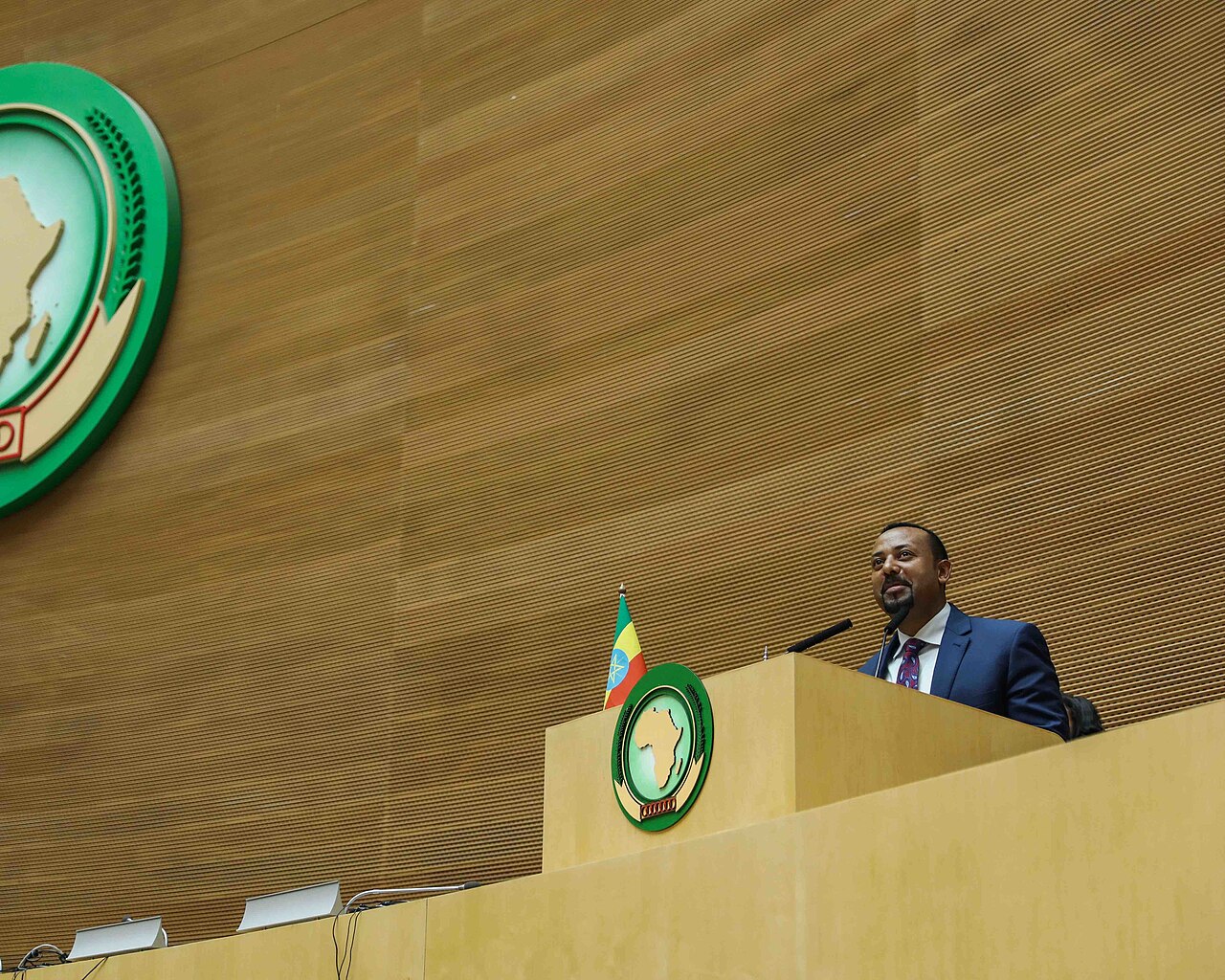
ADDIS ABABA — Ethiopian Prime Minister Abiy Ahmed on Friday urged African political parties to plan beyond election cycles, calling for leadership renewal and cross-party consensus on long-term national priorities as he opened the Second African Political Parties Summit in the capital.
The three-day gathering, running from Wednesday through Saturday under the theme “Governing for Growth: Political Parties as Architects of Africa’s Economic Future,” brought together governing and opposition party leaders, former heads of state and government, parliamentarians and other stakeholders. African Union Commission Chairperson Mahmoud Ali Youssouf also addressed the summit.
According to reporting by the Ethiopian News Agency carried on allAfrica, Abiy proposed two commitments for an Addis Ababa Declaration: building consensus on long-term national development priorities with measurable milestones, and strengthening leadership development and succession across the continent. He said parties can keep competing for votes while still agreeing on fundamental national interests that should survive changes of government.
“We have seen countries lose momentum when strong leaders fail to prepare successors,” Abiy said, according to ENA. He pledged to open training at Ethiopia’s African Leadership Excellence Academy to political parties across Africa, framing the offer as support for a new generation of leaders.
Youssouf, in remarks released by the African Union, said the quality of political leadership is decisive for Africa’s future and urged parties to advance Agenda 2063 through democratic governance, constitutionalism, accountability and peaceful competition. He called for greater transparency inside parties, stronger participation by women and young people, and concrete follow-up on commitments made at the first summit in Accra. He also stressed consensus around education, employment, infrastructure, regional integration and the African Continental Free Trade Area.
Abiy cited Ethiopia’s Medemer philosophy as an example of political inclusion, saying the country’s reformed government has brought in leaders from opposition parties and that parties should recognise one another’s contributions when national interests demand collective action. Those claims come from Abiy’s own remarks as reported by ENA, Fana and allAfrica; HahuPrime has not independently verified the political arrangements he described.
On the economy, Abiy pointed to Ethiopia’s Homegrown Economic Reform Agenda — including opening telecommunications and banking to foreign participation and shifting to a market-based foreign exchange system — and to the Green Legacy Initiative, which he said has planted more than 50 billion seedlings since 2019. Those figures and reforms were presented by the prime minister in his summit address and are reported here as his account of government policy.
The summit continues through Saturday as delegates work toward the proposed Addis Ababa Declaration.
Sources
- African Union — AUC Chairperson at the Second African Political Parties Summit
- allAfrica / ENA — PM Abiy Urges African Political Parties to Prioritize Leadership Renewal
- ENA — Ethiopia Pledges Training Support for African Political Parties
- Fana — Ethiopia’s Medemer Experience Offers African Parties a Model for Political Inclusion