
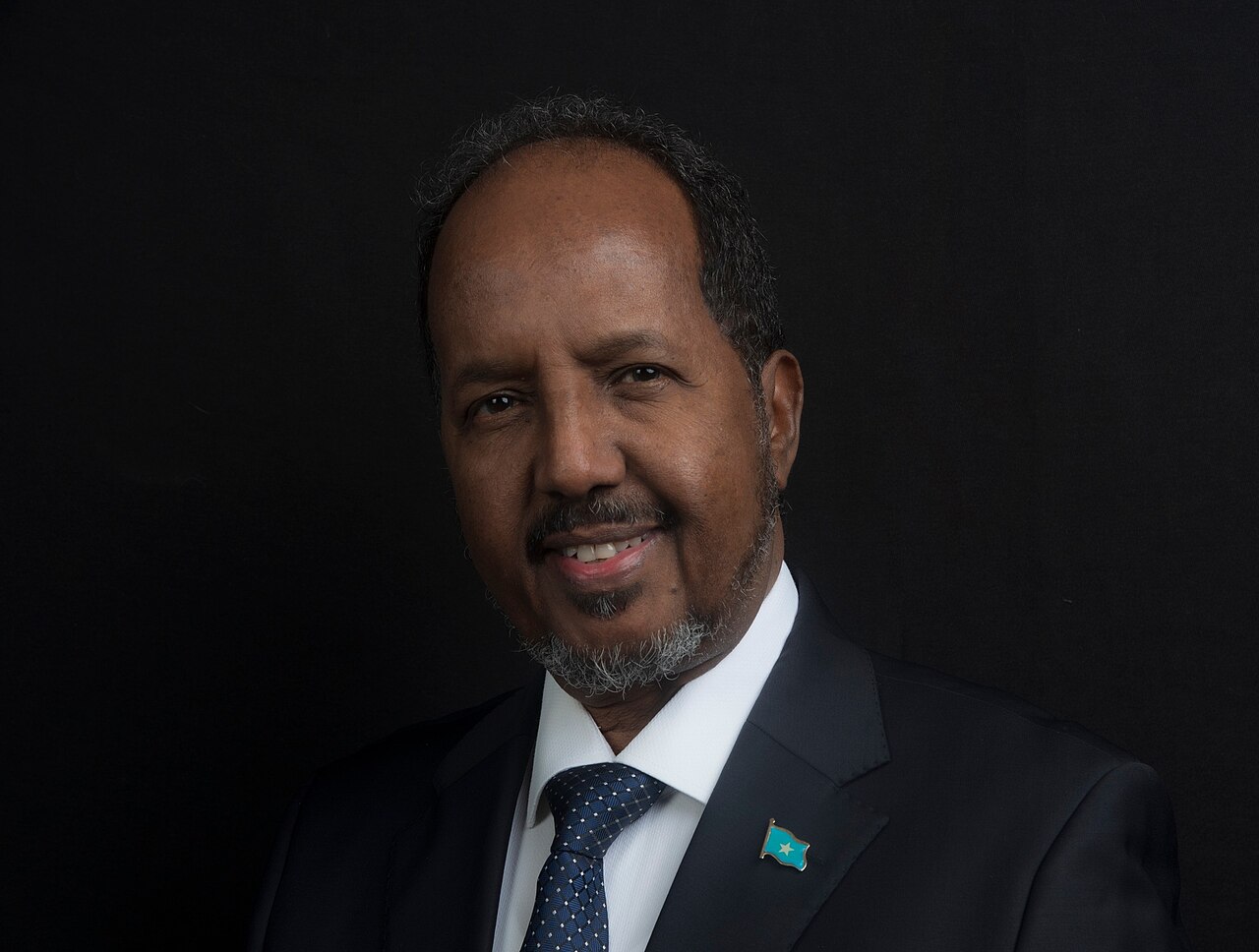
Somalia’s Supreme Court ruled on Thursday that the one-year extension of President Hassan Sheikh Mohamud’s term was unlawful, finding that his mandate ended in May and that parliament’s ran out in April. The judges ordered the country’s political actors to agree on an election framework within 30 days and to hold a vote within 90 days.
The ruling, issued by the court’s five-member Constitutional Division, came in response to a petition from former president Sharif Sheikh Ahmed, according to Garowe Online and Italy’s Agenzia Nova. It lands a day after Mohamud moved to dismiss the chief justice who oversaw the case.
What the court decided
Parliament passed constitutional amendments in March that lengthened the terms of federal institutions. The vote was boycotted by opposition parties and regional leaders, Arab News reported, and the government then declared a one-year “transition period” to prepare for Somalia’s first nationwide one-person, one-vote elections, now planned for April and May 2027.
The court threw out the part of Sharif’s petition that challenged the amendment process itself, saying he lacked standing to raise it. But it upheld his challenge to the extension of mandates. Amendments that create new terms of office must state clearly whether they apply to institutions already in office, the judges said. Because the March changes did not, the four-year terms under the 2012 Provisional Constitution still applied.
On that basis, the court found that both houses of parliament and the federal government lost their mandates on 14 April 2026, and that the president’s term ended on 15 May. Actions taken by those institutions after those dates were declared unconstitutional and void, according to Garowe Online. The government may carry on as a caretaker, but only for routine business.
A standoff over the chief justice
Late on Wednesday, Mohamud announced that he was dismissing Chief Justice Bashe Yusuf Ahmed and naming a replacement, Africanews and Arab News reported. Africanews said there were unconfirmed reports that Ahmed had been arrested; HahuPrime has not been able to verify those reports.
The Supreme Court answered on Thursday by declaring the dismissal null and void, Hiiraan Online reported. It said the president had no power to remove the chief justice on his own, since the constitution requires a proposal from the Judicial Service Commission and approval by both houses of parliament. The court accused the president of trying to interfere in a case already before it.
What comes next
The government had not publicly responded to the ruling by Thursday afternoon. Mohamud has said the extension was lawful under the March amendments, while the opposition called it a power grab. The dispute set off violent clashes in Mogadishu earlier this year.
How the ruling is enforced is now the central question. With the court and the presidency openly at odds, the 30-day deadline for an electoral deal will test whether Somalia’s political leaders can settle the crisis through talks. The stakes reach beyond Somalia, as the country’s neighbours, including Ethiopia, and its international partners are closely watching security and the fight against al-Shabaab.