
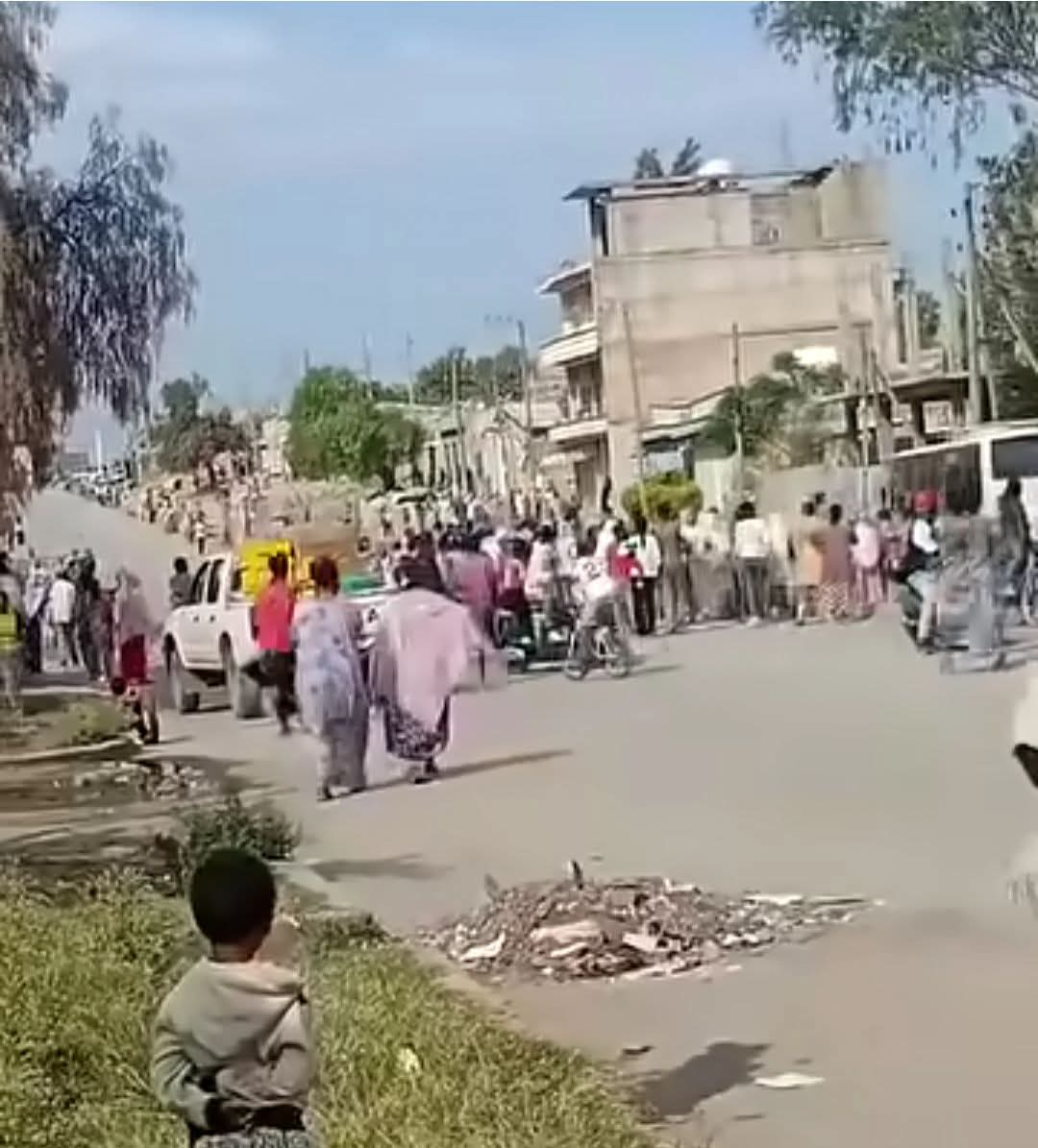
July 3, 2026, Mekelle, Tigray, In the ancient streets of Axum and the bustling neighborhoods of Mekelle, fear has returned like an old, unwelcome ghost. Young men and boys, some still in their teens, are being rounded up by armed TPLF forces in what residents, opposition figures, scholars, and diaspora voices describe as an intensifying campaign of forced military conscription.
The roundups spare no one in their path: university students, informal church school pupils learning scripture under the watchful eyes of deacons and clerks, and ordinary young people simply walking to work or market. Phones and identity cards are confiscated to sever contact with families. Some, according to unverified but widely circulating accounts, are reportedly being transported across the border into Eritrea for training.
The human cost is immediate and brutal. Mothers weep openly in Mekelle’s streets. Fathers are allegedly detained or threatened with prison unless they produce their missing sons. Entire families are fracturing as terrified youth slip away under cover of night, heading south to Addis Ababa or east into Afar region in a quiet but growing exodus.
This is not abstract politics. This is Guesh Berhe Haweke’s brother. Five days ago, the Mekelle University lecturer’s brother was seized by TPLF armed men while walking to work. He was first held at a temporary camp in Axum and pressured to “join voluntarily.” When he refused, he was transferred to the Segli training center near May Kinetal. His phone and ID card were taken. His elderly parents, wife, and two young children have had no word since.

“Our family is deeply worried,” Haweke wrote in a public appeal. “We do not know about his well-being or what may happen to him. I respectfully appeal to the international community, human rights organizations, and all those who value human dignity to pay urgent attention to cases like my brother’s, advocate for the protection of civilians, and support respect for human rights and the rule of law.”
A region still raw from war
Tigray has barely begun to breathe after the devastating 2020–2022 conflict that killed hundreds of thousands, displaced millions, and left deep scars of hunger, rape, and destruction. The November 2022 Cessation of Hostilities Agreement (COHA), signed in Pretoria, was meant to end the fighting, facilitate the return of displaced people, and chart a path to recovery. Instead, political tensions have flared again in 2026.
In early 2026, TPLF forces ousted the federally appointed interim regional administration. They moved to consolidate control and launched an aggressive conscription drive. A controversial proclamation granting sweeping powers for compulsory military service and punishing dissent was issued in June, drawing sharp rebukes from Human Rights Watch, which warned it echoed Eritrea’s notorious indefinite national service system and risked further authoritarian drift.
Reports from multiple zones describe armed groups conducting house-to-house searches, detaining family members when targeted youth cannot be found, and pressuring or abducting students — including those attending informal church-based education. Church deacons and clerks have voiced deep concern as their young learners vanish from classes.
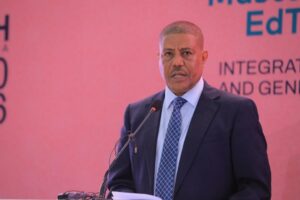
“How much more suffering must people endure?” Professor Kindeya Gebrehiwot, former head of the Cabinet Secretariat in the Tigray Interim Regional Administration, captured the anguish in a widely shared post:
Reports of forced military conscription in Tigray are deeply alarming. Mothers in Mekelle are seen crying as their children are taken away for military training by an armed group. How much more suffering must people endure before this madness is stopped? Silence only emboldens further suffering. The people of Tigray deserve peace, justice, and protection.
His words echo across social media and in private conversations. The trauma of the last war is still fresh; many families lost sons and daughters once already. The prospect of another generation being fed into conflict feels unbearable.
Diaspora voices break the silence
American rapper, singer, and songwriter Quincy Qurap was shaken by videos circulating online. His statement cut to the heart of the moral crisis:
The videos I saw across social media today broke me. Mothers crying while their children are reportedly being taken for forced recruitment is not ‘mobilization.’ It is a warning sign that Tigray is being pushed toward another graveyard.
Yes, Western Tigray remains occupied. Yes, displaced Tegaru deserve to return home safely. Yes, justice, land, dignity, and security are not negotiable. But no political cause becomes righteous by crushing the very mothers it claims to defend.
Tigray has already paid with too many sons, too many daughters, too many fathers, too many mothers, and too many futures. People who survived genocide, siege, displacement, hunger, rape, and betrayal should not be dragged into another war without consent, transparency, accountability, or a credible path to peace.
The TPLF, the Ethiopian federal government, Amhara forces, Eritrea, and every regional actor playing chess with Tigrayan lives must hear this clearly: Tigray is not a battlefield for your power games.
Liberation cannot be built on forced recruitment. Security cannot be built by silencing frightened mothers. Justice cannot be achieved by sacrificing another generation.
He listed clear demands: stop forced recruitment, protect civilians, open genuine political dialogue, fully implement the Pretoria Agreement, guarantee safe return of the displaced, remove occupying forces through a lawful monitored process, and hold perpetrators accountable.
Hollywood actress, singer, and songwriter Fortuna Gebresillasie offered a more introspective, community-focused critique.
At this point, the greatest threat to Tigray is Tegarus themselves. These old heads have got to go,
She described how many diaspora members stay silent publicly, not from shame or indifference, but because speaking out invites harassment, bullying, and cancellation within their own community.
We are not ashamed of being Tigrayan… we are simply exhausted, Exhausted by the pressure of being agreeable at all times… of these investable, made-up and controlling social/cultural ‘rules’ that say because you are a part of our community, we own you and the rights to your opinions.
Her words highlighted painful internal divisions at a moment when unity feels most needed.
International response and internal justifications
The United States moved in June, imposing targeted visa restrictions on hardline TPLF members and their immediate families for actions undermining peace efforts and breaching the spirit of the Pretoria Agreement. The State Department cited rising tensions that threaten to reignite conflict in northern Ethiopia.
The European Union Delegation to Ethiopia has also expressed alarm over the ousting of the interim administration and unilateral enforcement of military conscription, describing the situation as tense and in violation of the COHA. Human Rights Watch called for the withdrawal of the abusive proclamation and warned against compelling civilians into service while punishing criticism.
Opposition parties, including the Tigray Independence Party and the National Congress of Great Tigray, scholars, and segments of the diaspora have issued strong condemnations, framing the conscription as morally unacceptable and politically reckless.
Some TPLF core supporters push back. They argue that the recruitment is a legitimate mobilization needed to address ongoing security threats, particularly the occupation of Western Tigray. Others insist there is no “forced” element or blame the federal government entirely — claiming that if Addis had fully resolved outstanding issues after Pretoria, such measures would not be necessary. Denials of widespread coercion circulate alongside justifications that frame the drive as a defensive necessity.
A people exhausted, a future at stake
The human stories multiply daily. Youth hiding in relatives’ homes in Addis Ababa. Families in rural Tigray are receiving threats. Church communities are mourning the sudden absence of their young learners.
Tigrayans have endured more than most societies can bear in a single generation. The question now echoing from Mekelle to the diaspora and the halls of power in Addis, Brussels, and Washington is whether another cycle of forced sacrifice and fear will be allowed to take root — or whether the fragile peace painfully negotiated in Pretoria can still be salvaged through dialogue, accountability, and genuine protection of civilians.
For now, the tears in Mekelle’s streets and the empty chairs in church classrooms speak louder than any proclamation. The mothers are still crying. The youth are still running. And the world is being asked, once again, not to look away.
Hahuprime, Horn Analysis Team (HAT)