
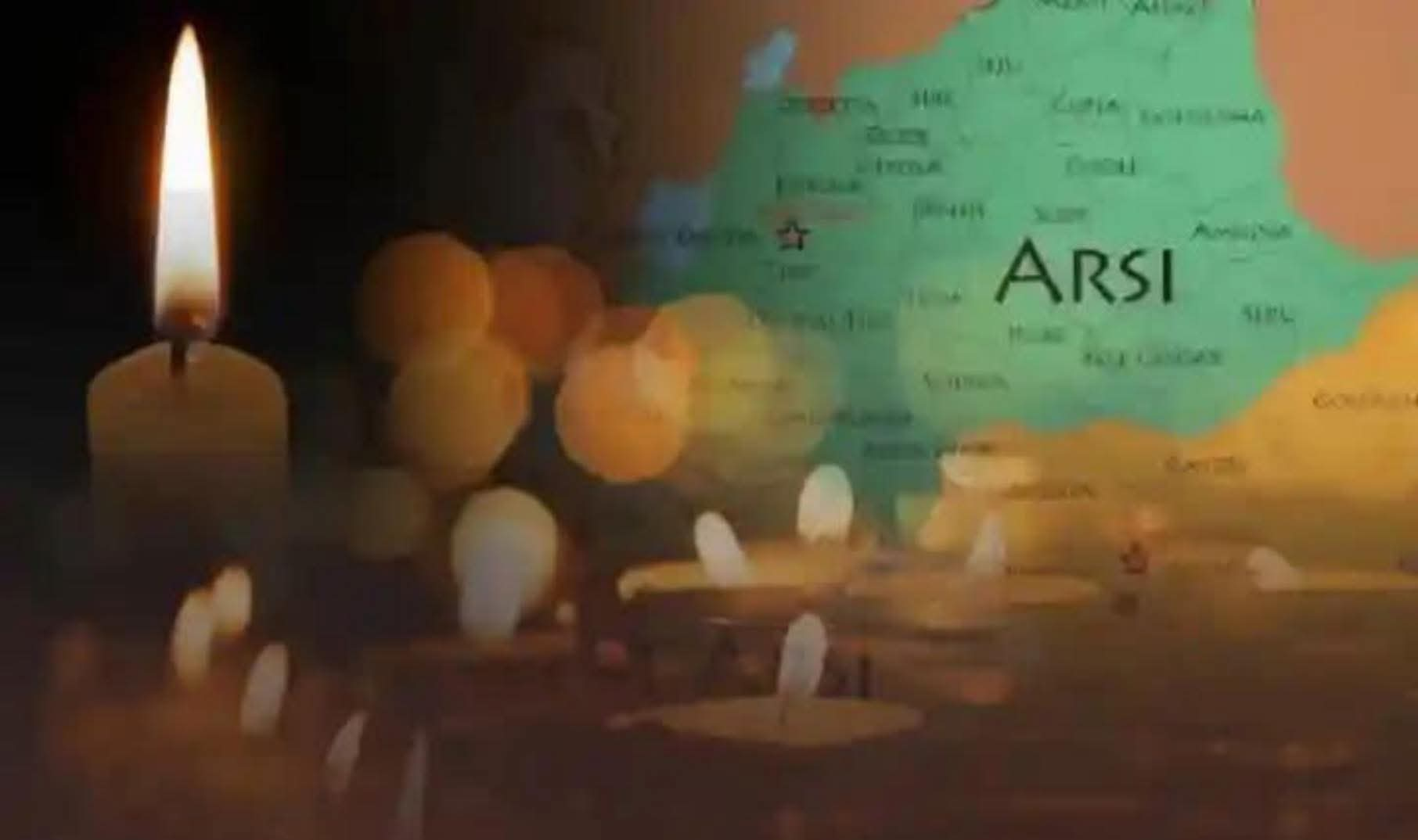
ASRSI, ETHIOPIA — Ethiopia held its seventh general election on 1 June 2026 amid significant security challenges in parts of Oromia and other regions. In Arsi Zone, reports of continued civilian deaths, displacement, and local tensions have intensified scrutiny over security provision and political priorities during the voting period.
Social media commentary and local accounts circulating in the region describe cases where residents reportedly felt compelled to participate in state-led political selection processes despite personal tragedies. These include claims of individuals prioritizing political activities over burying family members, patients leaving medical care, and other hardships. State media outlets EBC and Fana have covered aspects of political engagement in the area, though specific details of the most dramatic personal stories remain unverified in independent reporting.
Violence and Civilian Impact in East Arsi
Violence has persisted in East Arsi Zone for months, with recurring attacks causing deaths, injuries, abductions, property destruction, and displacement. The Ethiopian Human Rights Commission (EHRC) has repeatedly called on federal and Oromia regional authorities to take urgent measures, attributing many attacks to armed groups, particularly the Oromo Liberation Army (OLA, also referred to as Shene). Affected woredas include Shirka, Guna, Merti, Aseko, and Onkolo Wabe.
Leaders of the Ethiopian Orthodox Tewahedo Church and local community advocates have alleged that Orthodox Christian communities have been disproportionately targeted in several incidents, citing attacks on markets, churches, and villages. Reports from church sources and residents describe dozens of deaths in specific waves, including incidents in late February 2026 and further claims of significant casualties in Aseko woreda around late May to early June.
However, the EHRC has focused on the role of armed groups without consistently framing the violence as religiously motivated. One inter-religious council investigation into an earlier incident found no clear evidence of religious or ethnic motivation, noting victims across communities. The situation remains complex, with authorities generally attributing the violence to insurgent groups and critics highlighting insufficient protection for civilians.
The national election occurred against this backdrop of insecurity. While the National Election Board of Ethiopia (NEBE) conducted a large-scale process, voting was suspended or limited in parts of Oromia and other conflict-affected areas due to security concerns. Critics argue that the intense focus on political mobilization in volatile zones like Arsi created additional pressures on populations already facing trauma and displacement.
Local commentary and rights observers have strongly criticized the silence or limited public response from zone and regional leaders regarding civilian deaths and insecurity. There has been no comprehensive public grief statement or transparent investigation from local administrations into the pattern of violence in specific woredas, according to the circulating commentary.
The EHRC has documented human rights violations and urged concrete action, including deployment of security forces and accountability measures. Government supporters often highlight development projects and state that armed groups bear primary responsibility, while opposition voices and civil society demand greater protection for civilians and independent inquiries. Blame-shifting between authorities and armed groups continues, leaving many families without clear answers or justice.
Fighting killings, abductions, looting, and displacement is viewed by many as an urgent civic responsibility. Normalizing such violence or prioritizing political optics over security only deepens public frustration in affected areas.
Editor’s Note: Security measures remain heightened across parts of Oromia following the election. Reports of communication disruptions in some rural woredas have emerged. Independent verification of casualty figures in the most recent incidents remains ongoing.