
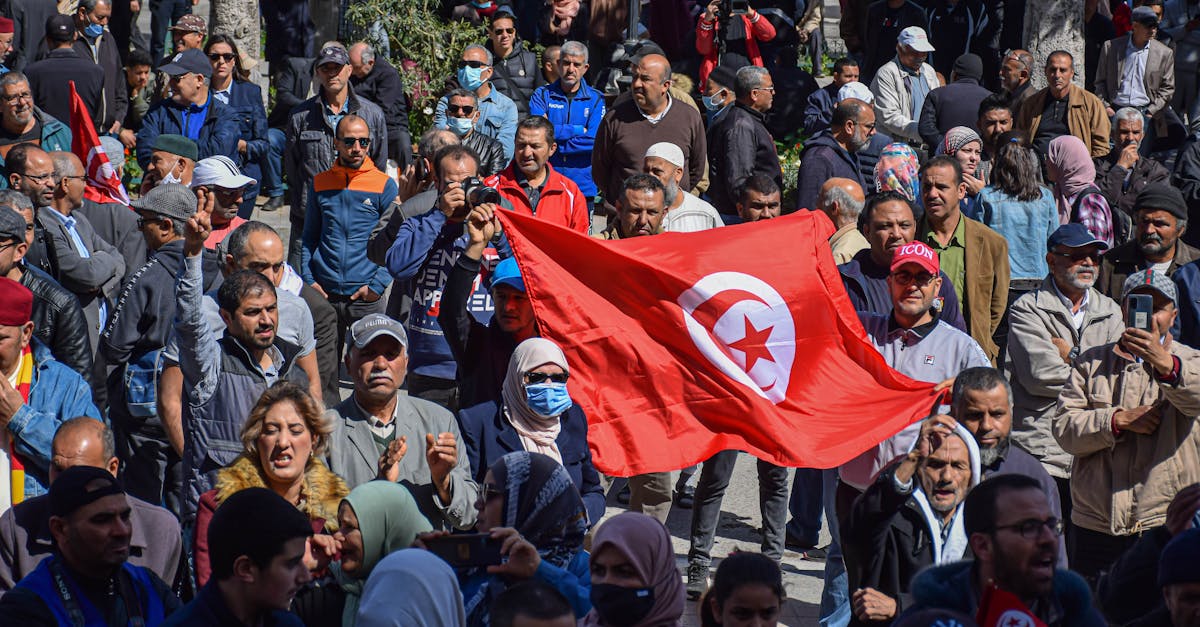
Once hailed as the beacon of the Arab Spring, Tunisia is now teetering on the brink of full-blown authoritarianism, according to a chorus of international experts. A recent DW Africa report highlights how President Kais Saied’s power grabs—dissolving parliament in 2021, rewriting the constitution, and cracking down on dissent—have eroded the fragile democratic gains of 2011. ‘Tunisia is sliding into authoritarianism,’ experts say, pointing to mass arrests of opposition figures, journalists, and judges as stark evidence of democratic backsliding.
From Revolution to Repression
The North African nation’s trajectory has alarmed human rights watchdogs. Saied’s 2021 ‘self-coup’ suspended the constitution, sidelined the legislature, and centralized power in the executive, moves justified as economic reforms but widely seen as authoritarian consolidation. Recent data shows over 80 opposition politicians detained, media outlets muzzled, and judicial independence under siege, fostering a climate of fear that echoes pre-revolution tyranny.
International observers, including Amnesty International and Human Rights Watch, decry the suppression of protests and the targeting of Ennahda party leaders, Tunisia’s largest opposition force. Economic woes—skyrocketing inflation, unemployment, and debt crises—have compounded public discontent, yet Saied’s regime prioritizes control over reform, experts argue. This shift risks isolating Tunisia from Western allies who once championed its democratic experiment.
As regional instability looms with tensions in neighboring Libya and Algeria, Tunisia’s authoritarian drift could destabilize the Maghreb. Experts urge global pressure to salvage its democracy before it’s too late, warning that the Arab Spring’s last hope is fading fast. Will the world act, or let history repeat?