
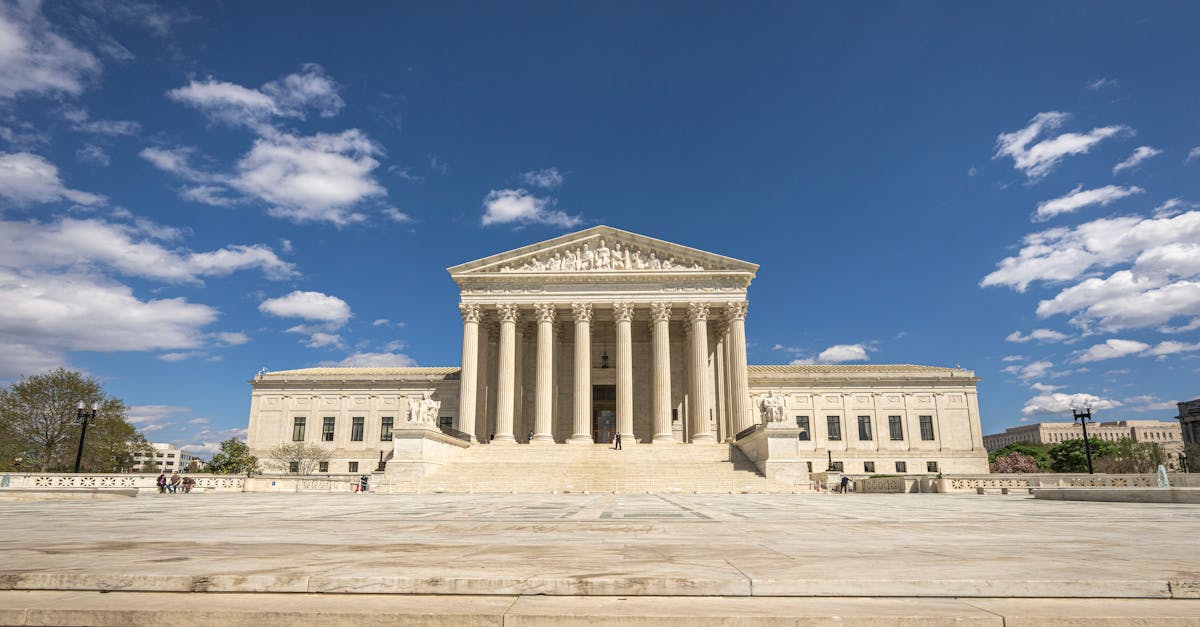
In a seismic decision shaking up American politics, the US Supreme Court has ruled that Louisiana must redraw its congressional map, effectively voiding a majority-Black district designed to boost minority representation. The 6-3 conservative majority deemed the map an unconstitutional racial gerrymander, undermining a key provision of the Voting Rights Act. This ruling, hailed by Republicans as a victory for fair districting, could solidify GOP control in the deeply red state ahead of future elections.
Landmark Case Reshapes Electoral Battleground
The case centered on Louisiana’s 2024 map, which included a second majority-Black district amid the state’s 32% Black population. Civil rights advocates argued it complied with the Voting Rights Act’s mandate to prevent dilution of Black votes, but the Court disagreed, prioritizing race-neutral redistricting principles. Justice Brett Kavanaugh’s opinion emphasized that while race can be considered, it cannot dominate the process, sending shockwaves through Democratic strategists who saw the district as a rare Southern pickup opportunity.
As Louisiana scrambles to craft a new map—potentially by special session—this ruling boosts Republican chances of retaining five of six seats, amplifying national partisan divides. Critics decry it as a blow to minority voting power, while supporters celebrate it as ending ‘race-based’ engineering. With midterms looming, this decision underscores the Court’s pivotal role in America’s electoral future.