
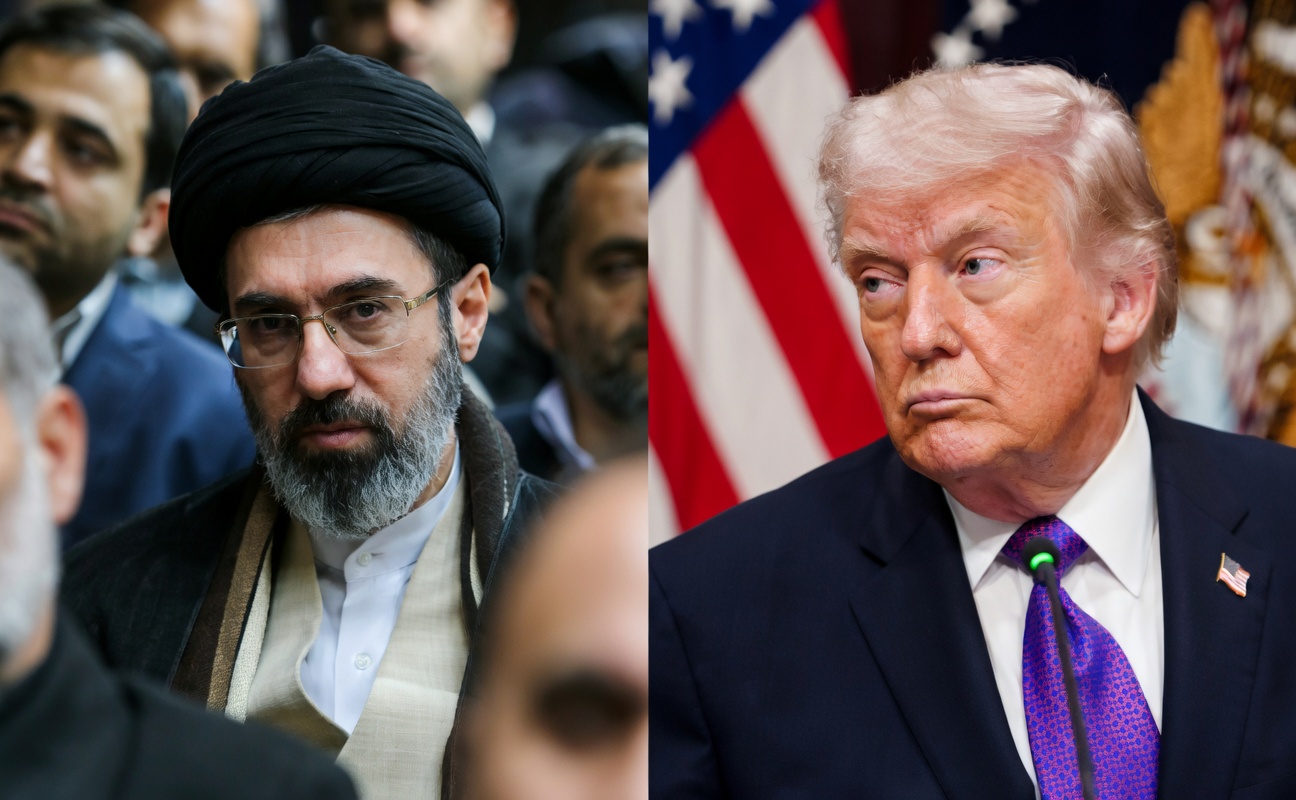
The Prime News: April 7, 2026: In recent days, President Donald Trump has escalated his rhetoric against Iran amid tensions over the Strait of Hormuz, issuing stark warnings that have drawn widespread condemnation. In one statement, Trump warned that “a whole civilization will die tonight, never to be brought back again” if Iran fails to comply with U.S. demands. He also threatened to target Iranian power plants, bridges, and other infrastructure, declaring phrases such as “Tuesday will be Power Plant Day, and Bridge Day.”
These comments have prompted sharp rebukes from U.S. politicians, human rights organizations, and international observers, many of whom argue the threats cross legal and moral lines.
Rep. Yassamin Ansari (D-AZ), the daughter of Iranian immigrants and a vocal critic, strongly denounced the escalation. She stated that Trump is “escalating a devastating, illegal war, threatening massive war crimes and targeting civilian infrastructure in Iran.” Ansari added that “in the last 48 hours alone, the rhetoric has crossed every line,” and announced plans to introduce articles of impeachment against Defense Secretary Pete Hegseth while calling for the 25th Amendment against Trump.
Senate Minority Leader Chuck Schumer (D-NY) described Trump’s social media rant as that of “an unhinged madman.” In a post on X, Schumer wrote:
“Happy Easter, America. As you head off to church and celebrate with friends and family, the President of the United States is ranting like an unhinged madman on social media. He’s threatening possible war crimes and alienating allies. This is who he is, but this is not who we are.”
Other Democrats echoed these concerns. Lawmakers accused Trump of “gleefully threatening to commit war crimes,” noting that intentionally targeting civilian infrastructure like power plants could violate international humanitarian law.
Amnesty International issued one of the strongest condemnations. Secretary General Agnès Callamard responded directly to Trump’s “whole civilization” warning:
“Donald Trump’s very act of making such apocalyptic threats, including his warning of ending ‘a whole civilization’, reveals a staggering level of cruelty and disregard for human life.”
Amnesty described the threats as “a threat to commit war crimes and may constitute a threat to commit genocide,” urging the international community, including the UN Security Council, to intervene urgently.
Legal experts and UN human rights officials have similarly warned that attacks on civilian objects essential for the survival of the population — such as power plants serving millions — would likely amount to war crimes under international law.
The backlash highlights deep divisions in Washington and growing alarm over the potential for broader conflict. While some view the statements as leverage in negotiations, critics argue they risk civilian catastrophe in a nation of over 90 million people and undermine U.S. moral authority.
As the deadline approaches, the situation remains fluid, with calls for de-escalation intensifying from both domestic voices and global actors.