
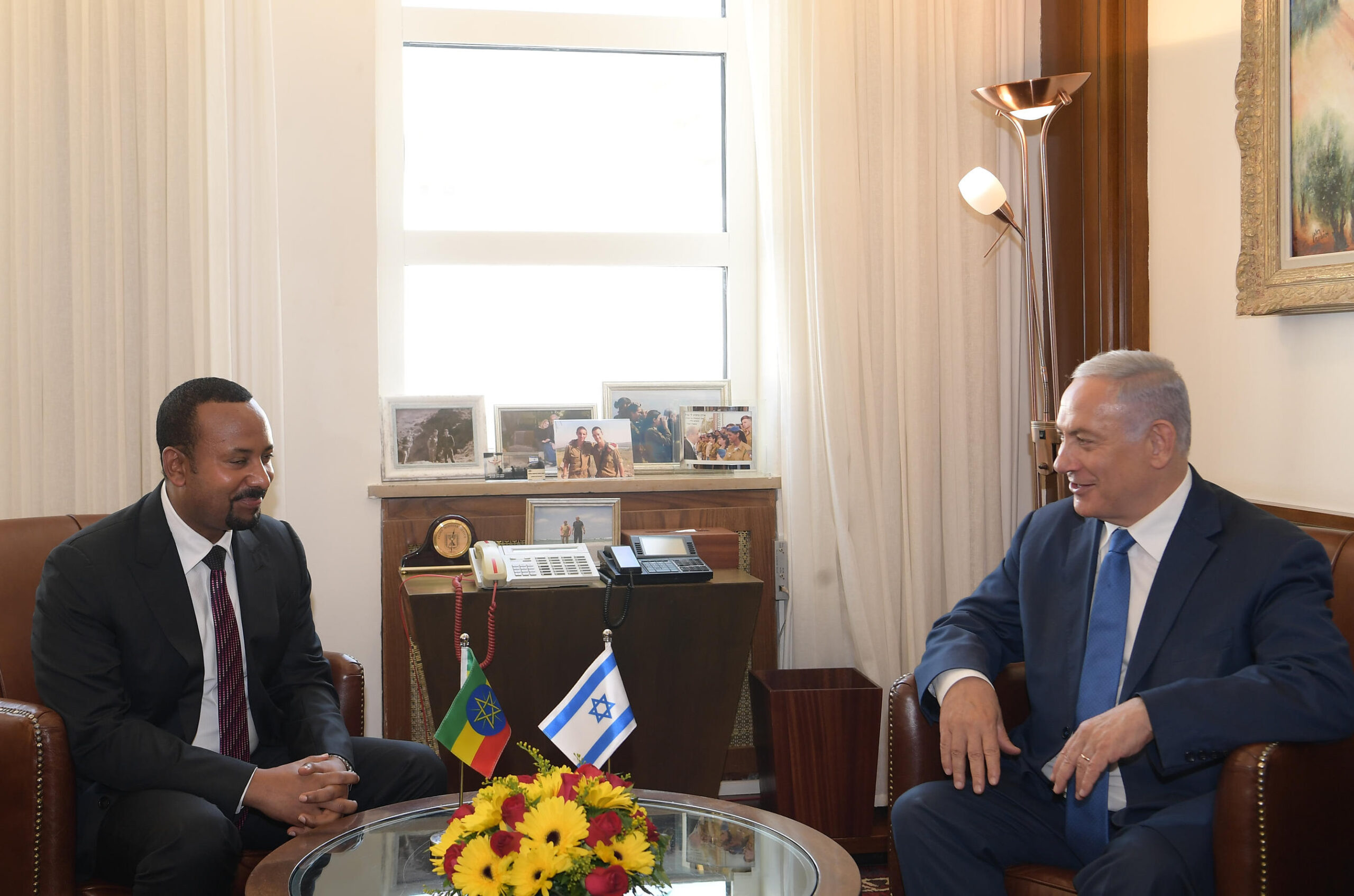
In a striking break from tradition, Ethiopia cast one of only three “No” votes on March 31, 2026, at the UN Human Rights Council’s 61st session. The resolution (A/HRC/61/L.36) condemned Israeli settlement activities in the Occupied Palestinian Territory, including East Jerusalem, and the occupied Syrian Golan. It passed with 34 votes in favor, 10 abstentions—and just Ethiopia, the Czech Republic, and North Macedonia in opposition. For a nation long hailed as a cradle of independence and anti-colonial resistance, the move has ignited fierce domestic debate and raised eyebrows across Africa and beyond.
A Historic Symbol of Pan-African
ResolveEthiopia has stood for centuries as Africa’s unbowed symbol of sovereignty. Victorious at the Battle of Adwa in 1896—the only African nation to decisively repel a European colonial invasion—it became a beacon of hope for liberation movements continent-wide. Ethiopian leaders and soldiers supported anti-colonial struggles in Tanzania, Zimbabwe, Mozambique, and Angola. When the Organization of African Unity (now the African Union) was founded in 1963, its headquarters was deliberately placed in Addis Ababa, cementing Ethiopia’s role as the diplomatic heart of Pan-Africanism. For decades, this legacy shaped Ethiopia’s foreign policy. It consistently backed Palestinian self-determination and aligned with anti-apartheid causes, viewing them through the lens of shared resistance to colonialism and occupation. As a self-proclaimed Pan-African nationalist powerhouse and host of the African Union, Ethiopia was a reliable voice for solidarity in the Global South. Its diplomacy was principled, consistent, and rooted in history.
An Unprecedented Vote—and the Backlash
This week’s vote marks a rupture. Ethiopia has rarely, if ever, broken ranks so dramatically on such a core issue in UN forums. Critics at home and abroad describe it as a “failure” for a country once seen as a top diplomatic nation in Africa. Many Ethiopians expressed confusion and disappointment, especially since the same session saw Ethiopia support a separate resolution affirming Palestinian self-determination. Social media and local commentary questioned whether Prime Minister Abiy Ahmed’s government was abandoning the nation’s anti-colonial soul in favor of new alliances.
The isolation was glaring: only two other nations joined the “No” camp. For a country that prided itself on leading African consensus, standing virtually alone felt like a profound shift.
The Israel Factor: Deepening Strategic Ties
Behind the vote lies a quiet but accelerating partnership with Israel. Bilateral relations, historically warm but recently revitalized, now span security, defense, agriculture, water management, technology, and investment. In February 2026, Israeli President Isaac Herzog visited Addis Ababa for high-level talks with Prime Minister Abiy Ahmed. The discussions focused on expanding cooperation in innovation, food security, renewable energy, ICT, and climate-smart agriculture—sectors where Israeli expertise in drip irrigation, precision farming, and agro-processing complements Ethiopia’s vast arable land and ambitious development goals.
Israeli companies are already active in Ethiopian agribusiness, textiles, and mining. Ethiopian officials describe Israel as a “strategic partner” sharing common security concerns and development aspirations. Under Abiy, Ethiopia has prioritized practical outcomes over ideological purity—mirroring a broader trend in African diplomacy where economic and security needs increasingly shape foreign policy.
Long-Term Implications: Pragmatism Over Principle?
The decision carries significant strategic weight. In the short term, it strengthens Ethiopia-Israel ties, potentially unlocking more technology transfers, investment, and security collaboration amid Ethiopia’s regional challenges (including tensions in the Horn of Africa and domestic development priorities). Israeli agricultural know-how could accelerate Ethiopia’s wheat self-sufficiency and irrigation projects, while defense cooperation may enhance stability.
Looking ahead, the move signals Ethiopia’s evolution into a more flexible, interest-driven player on the global stage. As a rising economic power and BRICS member, Addis Ababa appears willing to navigate multipolar realities—balancing traditional Pan-African solidarity with partnerships that deliver tangible gains. Yet the risks are real: erosion of soft power among African peers, domestic nationalist backlash, and questions about consistency as the AU’s host.
In the end, this vote reflects a timeless diplomatic tension. Ethiopia remains proud of its anti-colonial heritage, but under Abiy Ahmed, it is betting that strategic realism—forged through deepening bonds with Israel—will better serve its 120-million-strong population in the 21st century. Whether this pragmatism strengthens or dilutes its moral authority on the world stage is a question only time, and future votes, will answer.Ethiopia is not the first nation to recalibrate its foreign policy for survival and growth. But for a country that once inspired a continent’s dreams of freedom, this pivot invites reflection:
Can a Pan-African giant honor its past while embracing a more transactional future? The world—and Africa—will be watching.