
United States has approved more than 16 billion dollars in new arms sales to key Gulf allies as the war with Iran grinds into its fourth week, deepening Washington’s military footprint in a region already under sustained missile and drone fire. The multi-country package, unveiled Thursday, is designed to reinforce the air defenses and strike capabilities of partners that have found themselves on the front line of Iranian retaliation.
According to U.S. officials, the largest share of the deal is earmarked for the United Arab Emirates, which is set to receive over 8.4 billion dollars’ worth of air defense systems, drones, air‑to‑air missiles, and munitions and upgrade kits for its fleet of F‑16 fighter jets. Kuwait will obtain roughly 8 billion dollars in missile defense and radar systems aimed at shielding its territory and critical infrastructure from continued long‑range attacks, while Jordan is slated to receive about 70.5 million dollars in aircraft support and munitions to bolster its air force. Major U.S. defense contractors including RTX Corporation, Northrop Grumman, and Lockheed Martin are positioned as the primary beneficiaries of the contracts, which will likely translate into years of follow‑on maintenance, training, and logistical support.
The State Department has also cleared an additional 6 billion dollars in related weapons sales and adjustments to existing contracts for the three countries, a tranche that does not require formal congressional notification because it involves previously approved frameworks or purely commercial transactions. Taken together, the broader package approaches 23 billion dollars in new and modified sales, underscoring how quickly the U.S. is moving to harden Gulf defenses as the conflict with Iran widens and the Pentagon seeks more than 200 billion dollars in supplemental funding for the campaign.
Regional leaders have pressed Washington for months to replenish interceptor stocks and upgrade early‑warning systems as Iran has launched repeated barrages of drones and missiles at airports, energy facilities, and commercial hubs across the Gulf. Many have complained that U.S. air defenses and naval assets have been concentrated around Israel and American bases, leaving Gulf states exposed and forcing them to seek additional systems from European and Asia‑Pacific suppliers. The new U.S. package is meant to close some of those gaps, but it also further binds Gulf militaries to American hardware and planning, a pattern that has defined U.S. security policy in the region for decades.
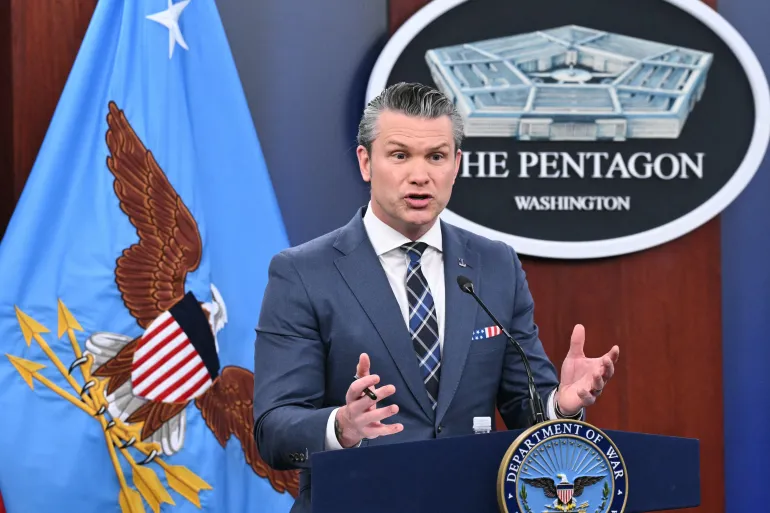
The approvals come as the joint U.S.–Israeli air campaign against Iran continues to expand in scope, with thousands of strikes reported across dozens of Iranian provinces and key military and security installations heavily damaged. Defense Secretary Pete Hegseth has said there is no clear timeline for ending the operation, even as the Pentagon quietly acknowledges that sustaining high‑intensity air operations and large‑scale weapons transfers will require a historic surge in defense spending. Inside Washington, critics are already warning that the latest Gulf arms deals risk locking the United States into an open‑ended regional confrontation, while supporters argue they are essential to deterring Iran and reassuring partners who increasingly doubt America’s staying power.
Source: TRT, Aljazeera and Reuters