
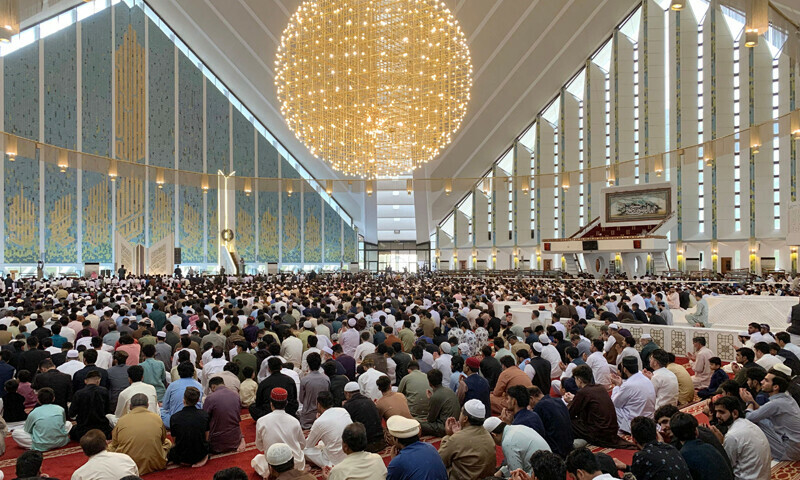
In a heartening step toward de-escalation amid weeks of intense border clashes, Pakistan and Afghanistan have agreed to a temporary pause in military operations to allow peaceful celebrations of Eid al-Fitr, the festival marking the end of Ramadan.
The announcement came on March 18, 2026, from officials in both countries, following diplomatic interventions by Saudi Arabia, Qatar, and Türkiye (Turkey). Pakistan’s Information Minister Attaullah Tarar first declared that Islamabad would suspend its ongoing operations—described as targeting “terrorists and their support infrastructure” in Afghanistan—from midnight March 18/19 until midnight March 23/24, a roughly five-day window. He called it a gesture of goodwill in line with Islamic traditions and emphasized that any cross-border attack or terrorist incident during this period would lead to an immediate resumption.
Taliban government spokesman Zabihullah Mujahid quickly followed with a parallel announcement, confirming a halt to Afghan defensive operations over the same timeframe, also crediting the mediation of Saudi Arabia, Qatar, and Türkiye.
This brief truce provides much-needed relief for communities along the volatile border, where recent violence—including a deadly Pakistani airstrike on March 16–17 that struck a drug rehabilitation center in Kabul—has claimed numerous lives and sparked international concern. Afghan authorities reported heavy civilian casualties from the strike, while Pakistan maintained it targeted militant infrastructure and disputed the casualty figures.
The underlying issues fueling the conflict remain deep-rooted: accusations that Afghanistan harbors militants like the Tehrik-i-Taliban Pakistan (TTP), disputes over the Durand Line border demarcation, and cross-border incidents that have escalated since late February 2026.
Eid al-Fitr is set to begin tentatively on March 19 or 20, 2026, depending on moon sightings—Afghanistan has already declared celebrations starting Thursday, March 19, while Pakistan and others may observe it on Friday or Saturday. The holiday traditionally brings families together for prayers, feasts, gift-giving, and community gatherings, offering a moment of joy and reflection.
The United Nations, Qatar, and other international voices have welcomed the pause, expressing hope it could foster broader dialogue and a path to lasting calm. Both sides have stressed the temporary nature of the halt, urging full restraint to ensure the sacred days remain peaceful.
As preparations for Eid continue—with markets bustling and families readying for prayers—this diplomatic reprieve highlights the enduring cultural and religious ties between Pakistan and Afghanistan, and the power of mediation during times of shared faith. Observers remain cautiously optimistic that this goodwill gesture might open doors to addressing the deeper tensions for a more stable future.
Sources: Qatar MFA, REUTERS and Aljazeera